'Cockroach' Protests in India: Thousands Faced Police Intervention While Marching to Parliament
21.07.2026 13:26 · 1 week ago · Credibility: 90% · 40
Point Summary
- ▸Thousands of protesters demanding education reform in Delhi, India's capital, were blocked by police while trying to walk towards the parliament.
- ▸It was reported that some demonstrators were injured in the brawl that broke out during the protesters' action, called the 'cockroach' movement.
- ▸The masses who took to the streets demanding reform in the education system were faced with a ban decision and harsh intervention by the police.
- ▸Activists declared that they would not give up their demands and continue their struggle despite the pressure from the police.
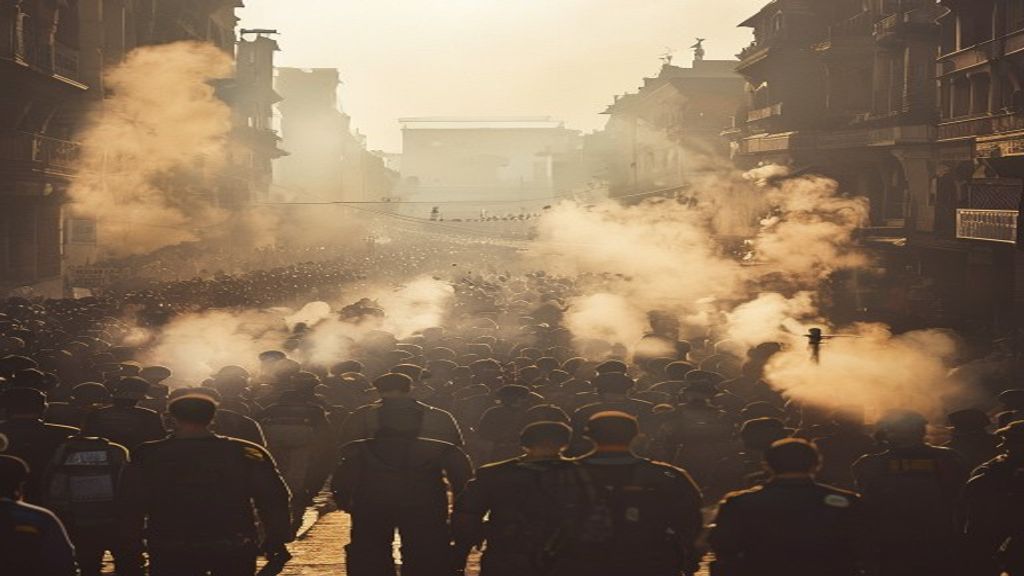
Tension is rising in Delhi, the political center of India. Thousands of people wanted to march towards the parliament within the scope of the movement, which demanded radical reforms in the education system and was publicly known as the 'cockroach' protests. However, the security forces' ban on the march and their harsh intervention led to violent clashes between the demonstrators and the police.
What happened?
The streets of Delhi witnessed the mobilization of a huge crowd who came together to demand education reform. Protesters, who moved from the Jantar Mantar region and aimed to reach the parliament, encountered barricades set up by the police. The methods used by the security forces to prevent the march caused a huge brawl among the crowd. It was reported that some demonstrators were injured during the clashes and the situation became increasingly tense.
The methods used by the police against the demonstrators during the events further increased the reaction of the protesters. It is stated that during the protest, where the crowd was mostly young, the police intervened physically and some activists were injured during their efforts to disperse the crowd. This situation caused long-term tension on the streets of Delhi.
background
At the heart of these protests are demands for comprehensive reform of the education system in India. This movement, which has a wide repercussion especially among the young generation, emphasizes the inadequacy of the current education structure and the need for reform. Calling the protesters 'cockroaches' stands out as a metaphor symbolizing the movement's determination to survive despite all kinds of pressure and reach the most difficult corners of the system.
The fact that the protests started from symbolic points such as Jantar Mantar is an indication of the demonstrators' desire to bring their demands directly to the attention of the government and parliament. Issues such as structural problems in the education system, inequality of opportunities and curriculum changes constitute the main motivation sources of this mass movement.
Why is it important?
This incident is of critical importance for India's democratic culture of protest and the limits of freedom of expression. The fact that a protest attended by thousands of people ended with the harsh intervention of the police reveals how social demands encounter political decision-making mechanisms. The transformation of demands in the field of a fundamental right and service such as education into street clashes is an important indicator of social peace and political stability.
In addition, the fact that the young generation defined as 'Gen Z' has initiated such organized movements gives important clues about how India's future political dynamics will be shaped. The fact that young people are so organized on issues that directly concern their future, such as education reform, creates a new pressure group for political parties and the government.
What do experts and parties say?
In the source texts, it is stated that the protesters stated that they will not back down and will continue their struggle with determination despite the pressure of the police. Activists emphasize that they will continue to make their voices heard to eliminate injustices in education.
Although there is no clear detail in the source texts about whether the security forces and the government wing made a specific statement about the content of the protest, it is stated as certain information that the police banned the march and intervened.
What to watch next?
It should be closely monitored whether similar protests will increase in Delhi and other major cities of India in the coming days. In particular, how the government will respond to demands for education reform will continue to be one of the most important items on the political agenda.
Additionally, injuries sustained during protests and the way the police intervene may be scrutinized by human rights organizations and legal circles. The way the government will respond to these mass demands—either dialogue or tougher security measures—will be the key factor determining the tension in India's social structure.
Nokta Analysis
Language Fluency: 90%This news includes information that protests in India have resulted in violence, as reported by the BBC and other independent sources. The news coincides with the data reported by different broadcasters (BBC, KBC Digital, The Kathmandu Post etc.).
Transparent Sources
Related News
Sonam Wangchuk's hunger strike in India is on its 19th day: Her health condition is at critical stage
'Cockroach People' Movement in India: Youth Protests Shake the Political Agenda
Tokyo Encourages Workers to Wear Short Pants; Women React Alleging 'Leg Hair Pollution'