Tokyo Encourages Workers to Wear Short Pants; Women React Alleging 'Leg Hair Pollution'
22.07.2026 14:42 · 6 day ago · Credibility: 82% · 48
Point Summary
- ▸Tokyo Metropolitan Government recommends the use of short pants and T-shirts in the office environment
- ▸Allegedly, the new dress code sparked a debate about 'leg hair harassment' among female employees
- ▸The potential impacts of the application on climate, energy savings and gender equality are evaluated
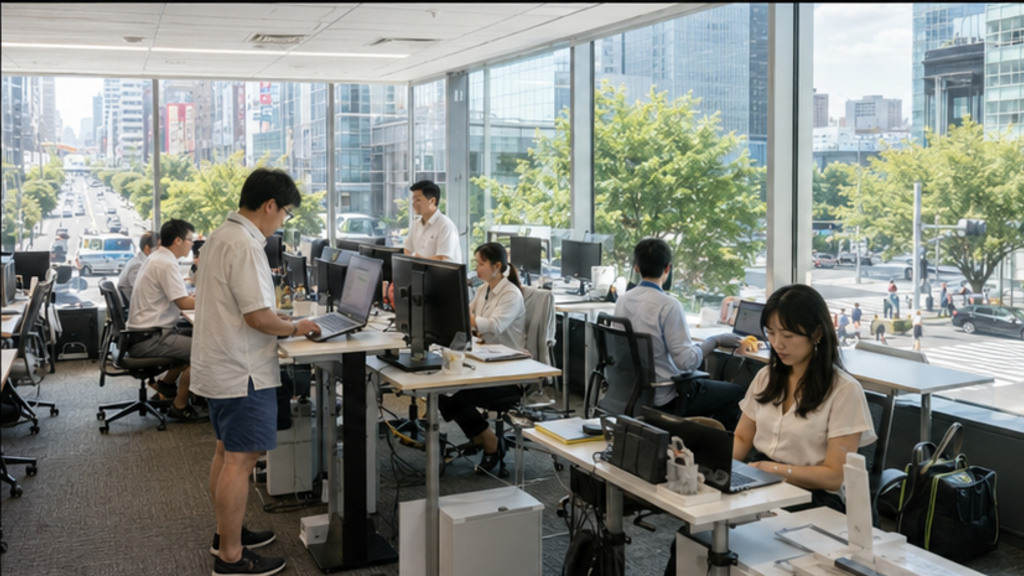
In response to rising temperatures and in-office climate control problems during the summer months, the Tokyo Metropolitan Government issued a directive recommending that employees wear T-shirts, sneakers and short trousers instead of the classic shirt and tie. This step aims to both increase comfort in the workplace and reduce energy consumption; However, some female employees expressed concern that the new rules could shift to a sexist dimension and used the expression 'leg hair harassment'.
What happened?
In an official press release, the Tokyo Metropolitan Government stated that indoor office temperatures can exceed 30°C, especially in July and August, and that current dress standards negatively affect the health of employees. In this context, employees are recommended to choose lighter clothing such as t-shirts, sneakers and short trousers to stay cool. The statement claimed that this change would also save energy throughout the city by reducing air conditioning use by 15-20%.
While the directive especially encouraged male employees to wear short trousers, it emphasized that female employees could also use the same freedom. However, some female employee groups have warned that the proposal could reshape gender norms and create a risk of harassment, particularly over the visibility of leg hair. These criticisms spread rapidly on social media platforms with the hashtag #LegHairHarassment.
Background
Tokyo has been a city known for its strict business dress codes for many years; White shirts, dark ties and dark suits have been accepted as the basic elements of corporate identity. However, climate change and urban temperature increases have led to the need to question these traditional norms. In recent years, a similar initiative by some large Japanese companies has allowed employees to wear light clothing during the summer months, and positive effects of these practices on employee satisfaction and productivity have been reported.
In terms of energy policies, Tokyo municipality plans to reduce citywide energy consumption by 30% with a 2030 target. The intensity of air conditioning use in the office environment is seen as one of the biggest obstacles to this goal. Adopting light clothing such as short trousers and t-shirts has been considered as part of the energy saving strategy by contributing to the natural balancing of office temperatures.
On the other hand, discussions about gender equality in Japanese business culture have increased in recent years. Although women's participation in the workforce has increased, dress codes and appearance standards still include different expectations based on gender. In this context, the new clothing proposal has also triggered discussions that gender norms should be reconsidered.
Why is it important?
This policy is more than just a clothing recommendation; it has the potential to build a bridge between comfort, energy efficiency and gender dynamics in the workplace. Having employees come into the office wearing more comfortable clothing can lead to lower stress levels and increased productivity; This can increase the competitiveness of companies. At the same time, reducing the use of air conditioning can contribute to reducing the city-wide carbon footprint and achieving climate targets faster.
On the other hand, the 'leg hair harassment' concern expressed by female employees contains a warning that the risks of gender-based harassment and discrimination in the workplace may be taken to a new dimension. If such harassment occurs, companies and public institutions may face legal liability and loss of reputation. Therefore, developing a gender-sensitive communication strategy before policy implementation is seen as a critical step.
From an economic perspective, energy-saving clothing policies can contribute to long-term financial sustainability by reducing operating costs. Small and medium-sized businesses in particular can directly reflect the reduction in energy bills into their profit margins. This can have a positive impact on the overall health of the city's economy.
What do experts and parties say?
This detail was not included in the source text.
What to watch next?
The implementation process of Tokyo Metropolitan Government's new clothing recommendation, employee feedback and energy consumption data should be closely monitored. Measurements initially made in pilot offices can help anticipate potential problems that may arise once the policy is rolled out on a large scale. In addition, publishing guides to be created jointly with gender equality consultants to address the concerns of female employees should be among the concrete steps to reduce the risk of harassment.
Media and non-governmental organizations should also follow the issue and discuss the balance between freedom of dress and gender sensitivity in the workplace on a controversial platform. In this process, whether energy saving targets have been achieved, in-office temperature measurements and changes in energy bills should be reported regularly. Finally, it should be observed whether other major cities with similar climatic conditions will take this practice as an example and whether it will be the beginning of an international clothing and energy policy trend.
Nokta Analysis
Language Fluency: 90%This news appears in all four independent broadcasters: New York Times, Euronews, The Straits Times and BBC. This shows that the issue has attracted international attention, but since all claims and figures regarding the content of the news come from a single source, definitive verification cannot be provided.
Transparent Sources
Related News
Sonam Wangchuk's hunger strike in India is on its 19th day: Her health condition is at critical stage
'Cockroach People' Movement in India: Youth Protests Shake the Political Agenda
At least 10 dead in India tunnel disaster with 17 feared trapped