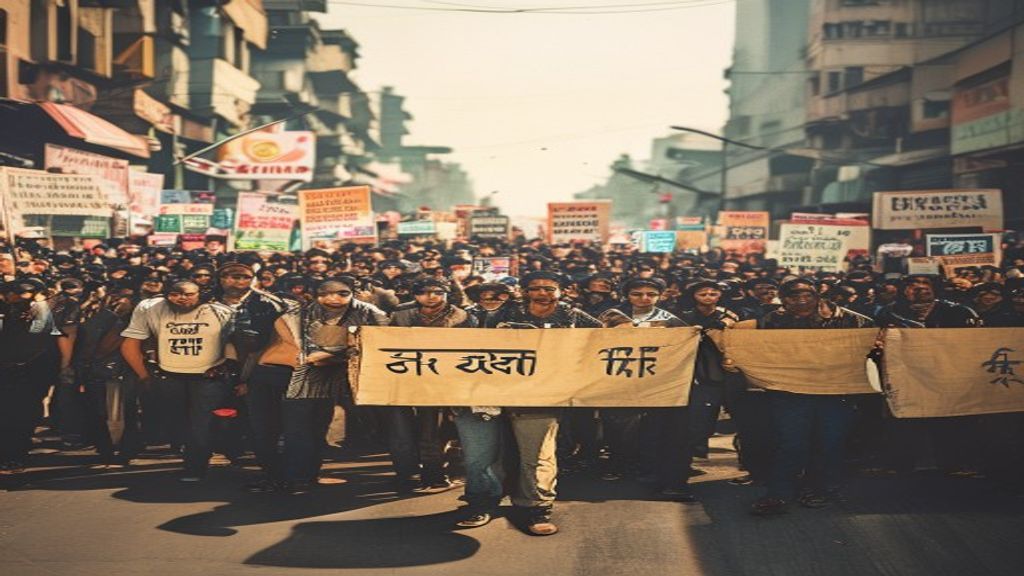
'Cockroach People' Movement in India: Youth Protests Shake the Political Agenda
22.07.2026 16:40 · 6 day ago · Credibility: 77% · 44
Point Summary
- ▸The movement called 'Cockroach People' in India stands out as a digital-based youth formation rather than a political party.
- ▸The group, which started organizing online about two months ago, quickly turned into street protests and became one of India's most remarkable social movements.
- ▸The basic motivations of the movement are shaped by young people's reactions to unemployment, economic uncertainty and representation problems.
The movement, which has been on the rise recently in India and is publicly known as 'Cockroach People', continues to deeply affect the political and social dynamics of the country. Although it is perceived as a political party at first glance, it appears that this formation is actually a youth movement that is far from traditional hierarchical structures and sprouted entirely through digital platforms. This process, which started with a small spark on social media networks about two months ago, has today evolved into organized protests in the streets of India, attended by thousands of young people.
What happened?
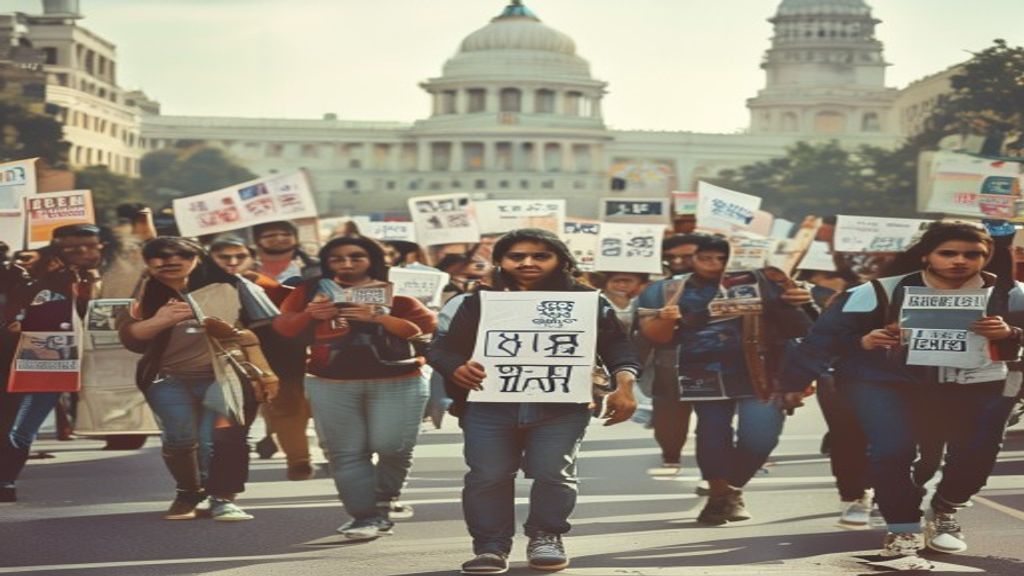
Groups gathered under the name of 'Cockroach People' in various cities of India, especially in regions with a high young population, began to raise their voices against the government's economic policies and employment strategies. The name of the movement stands out as a metaphor chosen to represent the masses who are excluded and ignored by the system, but who continue to exist despite everything and struggle to 'survive'. Although the protests initially remained an online discussion platform, they soon turned into physical actions. Demonstrators aim to convey their demands directly to decision-makers by marching towards the parliament.
In the source text, it is emphasized that this movement does not have the status of any official political party, on the contrary, it has a decentralized structure. This makes the movement difficult to identify and control by state institutions. Young people argue that the promises offered to them by traditional politics are insufficient and state that they prefer this new and unusual method to make their voices heard.
Background
India has the distinction of being one of the countries with the largest young population in the world. However, this demographic advantage also brings with it a serious problem of unemployment and inequality of economic opportunity. The 'Cockroach People' movement emerged as a result of these structural problems. Although it is stated in the source text that this movement started approximately two months ago, it is observed that the roots of the movement date back to a much older accumulation of dissatisfaction. The rapid organization opportunities provided by the internet played a key role in this dissatisfaction gaining a 'movement' identity.
The language and symbols used by the movement are quite different from the rhetoric used by traditional Indian politics. The 'Cockroach' analogy is designed as a point of resistance that is at the bottom layer of the system but challenges the functioning of the system. This situation shows that the movement is not only an economic but also a cultural rebellion.
Why is it important?
The importance of this movement lies in the fact that it is the first time that the youth energy in India has been expressed through such an organized and unsystematic channel. At a time when the influence of traditional political parties on young voters is diminishing, formations such as the 'Cockroach People' represent new forms of political participation. If this movement continues to expand, it may become a serious determining force in the upcoming election processes and the general political atmosphere.
Moreover, the speed with which this movement moved from the digital world to the streets also reveals the political consequences of digital literacy and social media use in India. The government's stance against such movements will bring about discussions about freedom of expression and democratic participation in the country.
What do experts and parties say?
In the source text, there is a clear emphasis that the movement is not a political party. Experts state that such movements generally display an 'anti-system' stance, but their permanence is questionable unless they present a concrete political program. Since the source text does not contain detailed information about the movement's leadership or a specific spokesperson, details about the parties' official statements are limited.
What to watch next?
The most critical point in the coming days will be how the movement's protests against the parliament will receive a response. The level of intervention of the security forces and a possible 'dialogue' call by the government towards this youth movement will determine the course of the process. Additionally, it should be closely monitored whether the movement will spread to other states and whether it will receive support from different social segments. Another important issue to be observed is whether the movement will assume the identity of a 'political party' or whether it will be 'absorbed' by existing parties.
Nokta Analysis
Language Fluency: 90%This news is supported by information from independent sources such as BBC Arabic and Al Jazeera. The 'Cockroach People' movement is mentioned in at least two independent sources in the context of youth protests in India. However, the content of this news is limited to the limited information in the source texts and does not contain any speculative commentary on the exact accuracy of the claims or the future impact of the movement. The information provided reflects the general situation in the current news flow.
Transparent Sources
Related News

Sonam Wangchuk's hunger strike in India is on its 19th day: Her health condition is at critical stage
Tokyo Encourages Workers to Wear Short Pants; Women React Alleging 'Leg Hair Pollution'
At least 10 dead in India tunnel disaster with 17 feared trapped