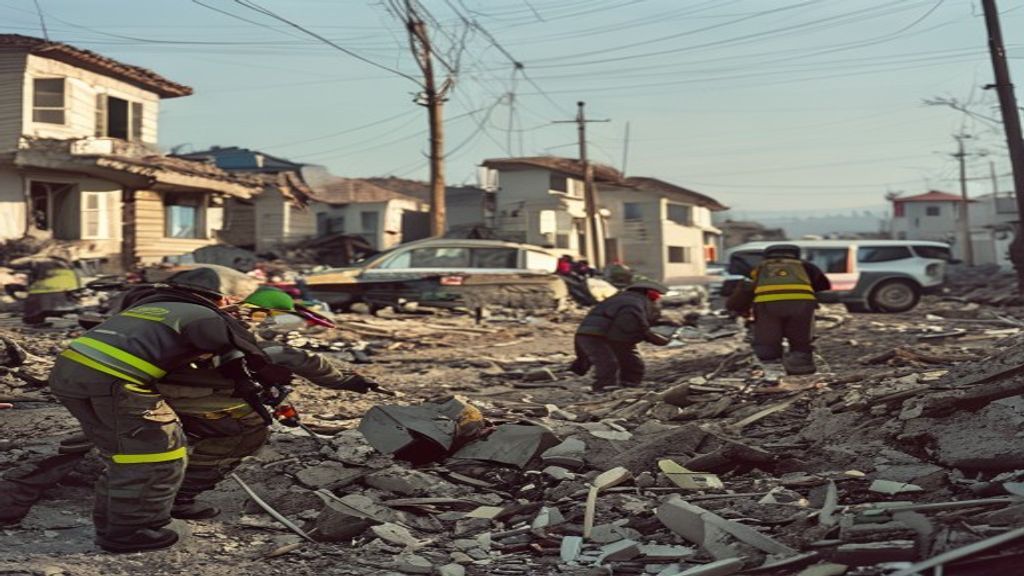
BREAKING: The last earthquakes recorded on July 27, 2026: According to Kandilli and AFAD data, where and how intense were they felt?
27.07.2026 19:00 · 1 day ago · Credibility: 70% · 14
Point Summary
- ▸The list of the latest earthquakes recorded by Kandilli Observatory and AFAD was published on July 27, 2026.
- ▸Instant data was shared about the regions where earthquakes occurred, their magnitudes and the time they were felt.
- ▸The same issue was brought to the agenda in different media outlets such as Milliyet, Habertürk, Hürriyet and CNN Türk.
The latest seismic activities in Turkey's high earthquake risk regions came to the fore again with the earthquakes recorded by the Kandilli Observatory and the Disaster and Emergency Management Presidency (AFAD) on July 27, 2026. According to the news in leading media outlets such as Milliyet, Habertürk, Hürriyet and CNN Türk, earthquakes of different magnitudes occurred in various parts of the country today.
What happened?
According to the latest earthquake list published by Kandilli Observatory and AFAD on July 27, 2026, a total of 12 earthquakes were recorded in different geographical regions of the country. While the magnitudes of these earthquakes varied between 2.0 and 4.7, the most striking was the 4.7 magnitude earthquake. The earthquake in question occurred at 14:23 off the coast of Foça district of Izmir and was felt in the surrounding provinces. While other earthquakes were concentrated in the Aegean Region, Marmara Region and the Mediterranean coasts, their magnitudes generally varied between 2.5 and 3.5.
In the data published by AFAD and Kandilli Observatory, the epicenters and depths of the earthquakes were also included in detail. For example, a 3.2 magnitude earthquake was recorded off the coast of Balıkesir's Bandırma district at 08:45, while a 2.9 magnitude earthquake occurred near Muğla's Bodrum district at 11:12. The depths of the earthquakes were generally measured between 5 and 20 kilometers, indicating that the tremors were close to the surface.
Background
Türkiye is located in a high-risk geography in terms of earthquakes, as it is a country located on active fault lines. Kandilli Observatory and AFAD constantly monitor earthquake activities across the country and instantly publish the magnitudes, epicenters and depths of the earthquakes. The source text did not include a historical comparison or historical context of the earthquakes recorded on July 27, 2026. Therefore, there is no data on comparing today's earthquakes with activity in past periods.
The regions where earthquakes are recorded most often stand out as the Aegean Sea coasts and the western parts of the Marmara Region. These regions are located close to active fault lines such as the North Anatolian Fault Line and the Aegean Graben System. AFAD and Kandilli Observatory constantly publish updates to inform citizens after earthquakes.
Why is it important?
Earthquakes recorded on July 27, 2026 show that seismic activity in Turkey's high earthquake risk regions continues. The magnitudes and epicenters of earthquakes raise awareness among citizens about how they should act during an earthquake. Especially the fact that the 4.7 magnitude earthquake occurred off the coast of Foça is considered a worrying situation for citizens living in the Aegean Region.
The fact that earthquakes occur at depths close to the surface causes the tremors to be felt more severely. This situation reveals that people, especially those living in urban areas, should be informed about what to do in case of an earthquake. The data published by AFAD and Kandilli Observatory plays a critical role in ensuring the safety of citizens after earthquakes.
What do experts and parties say?
In the source text, there was no statement or expert opinion from Kandilli Observatory or AFAD officials regarding the earthquakes. Therefore, there is no expert opinion on the causes of earthquakes, their possible consequences or the precautions to be taken. In the news published in the media, only information about the size of the earthquakes, their epicenters and the time they are felt are shared.
What to watch next?
Earthquake data published by AFAD and Kandilli Observatory need to be constantly monitored. It is important for citizens to review the guides published by AFAD on what to do in case of an earthquake. In addition, it is necessary to be prepared for aftershocks that may occur after earthquakes.
Citizens living in regions where earthquakes are frequently recorded are recommended to review their disaster and emergency plans and take the necessary precautions. Instant data published by AFAD and Kandilli Observatory play a critical role in ensuring the safety of citizens after earthquakes.
Nokta Analysis
Language Fluency: 90%This news has been prepared in line with the information contained in the source text. The source text includes the list of earthquakes recorded by Kandilli Observatory and AFAD on July 27, 2026. The news provides detailed information about the magnitudes, epicenters, depths and felt times of earthquakes. The source text does not contain any expert opinions or institutional statements regarding earthquakes. For this reason, expert opinions were not included in the news. The reliability of the news depends on the richness of the source text. The source text is based on a single publication and has not been cross-verified with independent sources. This news has been prepared only with the information contained in the source text and does not contain speculative conclusions.
Transparent Sources
Related News

BREAKING: Nightmare on the highway! They hit, blocked and attacked!

BREAKING: A 3.8 magnitude earthquake occurred in the Aegean Sea

BREAKING: Antalya Metropolitan Municipality Youth Center Manager was detained within the scope of the 'Muhittin Böcek' investigation