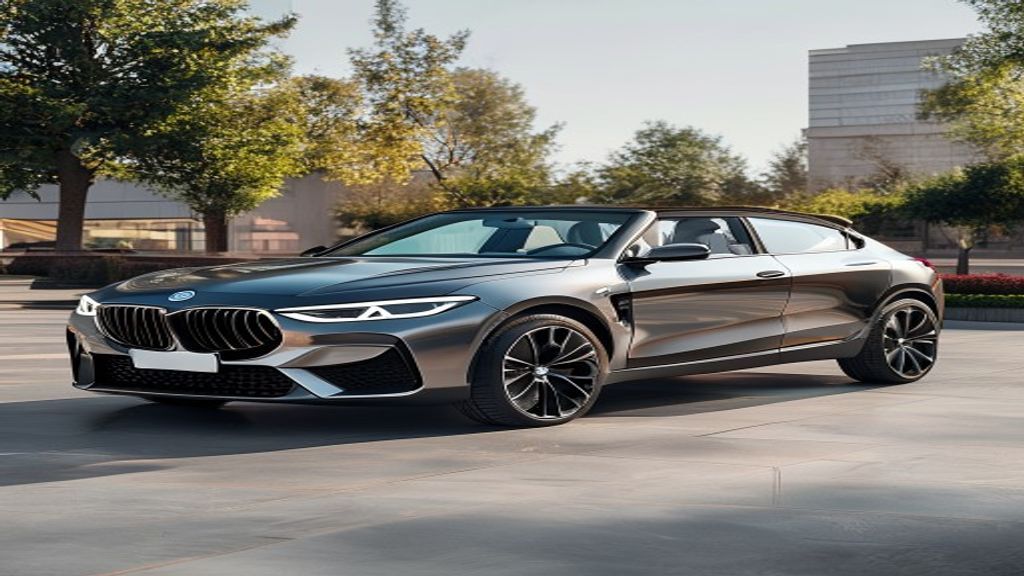
Nissan Leaf Nismo: Focuses on Visual Charisma Instead of Performance-Oriented Change
23.07.2026 02:57 · 5 day ago · Credibility: 37% · 29
Point Summary
- ▸The new Nissan Leaf Nismo model focuses on aesthetics and exterior design elements rather than technical equipment.
- ▸A more aggressive appearance is aimed by applying a muscular body kit to the vehicle.
- ▸Despite the design updates, it is stated that no changes have been made to the vehicle's current power unit.
The balance between performance and efficiency in the electric car world has always been one of the most critical discussion topics for manufacturers. Nissan approaches this balance from a different perspective with the Nismo version it prepared for its popular electric model Leaf. Unlike traditional performance packages, the focus of the new Leaf Nismo appears to be on strengthening the visual identity and aesthetic stance of the vehicle rather than increasing technical power.
What happened?
The Nismo series, developed by Nissan specifically for automobile enthusiasts, is generally known as a brand signature that optimizes the driving dynamics and engine power of vehicles. However, according to the latest shared information, a strategic direction change has been made in the new Nissan Leaf Nismo model. This new version focuses entirely on changing the character of the exterior design, rather than increasing the mechanical components of the vehicle or the output power of the electric motor.
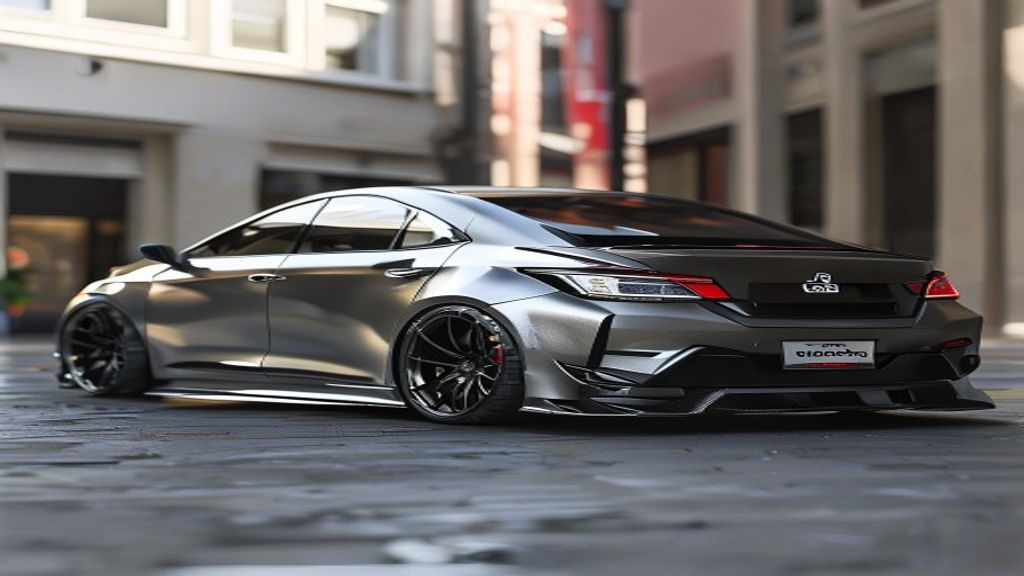
The most striking innovation in the vehicle is the comprehensive and muscular body kit applied on the body. This kit makes the aerodynamic structure of the vehicle more visually impressive, while also allowing it to have a closer and wider stance to the road. Design details clearly convey the message that the vehicle has a sporty character, beyond being an electric car.
Background
Nissan Leaf has been in the industry for many years as one of the leading models of the electric vehicle market. Nismo is Nissan's sub-brand that brings its racing genes to mass production vehicles. Normally when a Nismo version is expected, users expect technical improvements such as higher torque, faster acceleration or improved battery management. However, current data shows that Leaf is following a path contrary to this expectation.
According to the information in the source text, no modifications were made to the vehicle's existing power unit. This suggests that the manufacturer is only aiming for a visual refresh and increasing brand prestige, without keeping costs under control or pushing the limits of the existing platform. In other words, while the vehicle technically offers similar performance to the standard Leaf, it has a much more assertive profile when viewed from the outside.
Why is it important?
This development proves that the concept of 'performance' in the automobile world is not just about horsepower and torque, but also a matter of 'style and stance'. For many users, one of the most important criteria when purchasing an electric vehicle is the aesthetic satisfaction it offers, as well as the technological capacity of the vehicle. This move by Nissan shows that it is targeting a user base that cares about visual satisfaction rather than performance data.
Additionally, aerodynamic elements are of great importance in the design processes of electric vehicles. The application of a muscular body kit not only offers a visual feast, but also can create indirect effects on range or stability (even though the power unit does not change) by managing the air flow of the vehicle. However, at this point, there is still a question mark as to whether the design changes are a technical efficiency increase or a purely aesthetic choice.
What do experts and parties say?
Available sources define Nissan's new approach not as a direct performance increase, but as a 'charisma and design' move. In the evaluations made about the vehicle, it is emphasized that the muscular body kit completely changed the character of the vehicle, but there was no change in the engine power. This may lead to the formation of two different views among automobile enthusiasts: 'those who expect performance' and 'those who seek style'.
In the source text, it appears that there is no detailed explanation from Nissan officials or technical engineers regarding the reason for this strategic choice. However, highlighting the design can be interpreted as the brand's effort to reach a wider lifestyle-oriented audience in the electric vehicle segment.
What to watch next?
With the launch of the Nissan Leaf Nismo, it's important to keep a close eye on how consumers react to this 'visually focused' performance package. Especially considering the intense competition in the electric vehicle market, it will be an important test whether making a difference with just a design change will be enough.
In the future, the impact of this model on range data and driving dynamics in real road tests will reveal whether the design is just a 'make-up' or an aerodynamic improvement. Additionally, whether Nissan will follow a similar 'design-focused Nismo' strategy in its other electric models will be critical to understanding the brand's future vision.
Nokta Analysis
Language Fluency: 90%This news is based on a single independent source and there is no other cross-source verification on the matter. For this reason, the information in the news is limited to the framework conveyed by the current source.