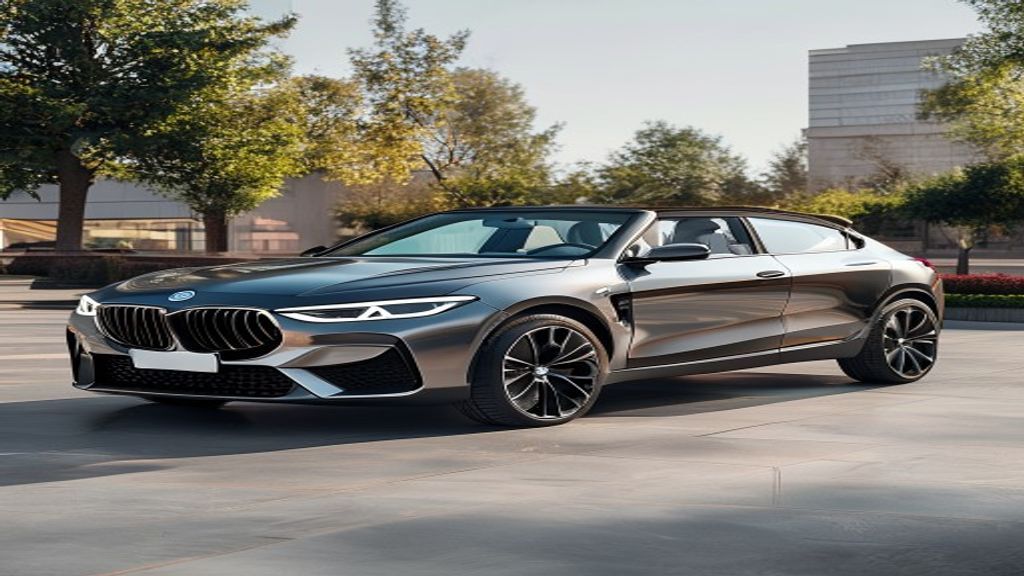
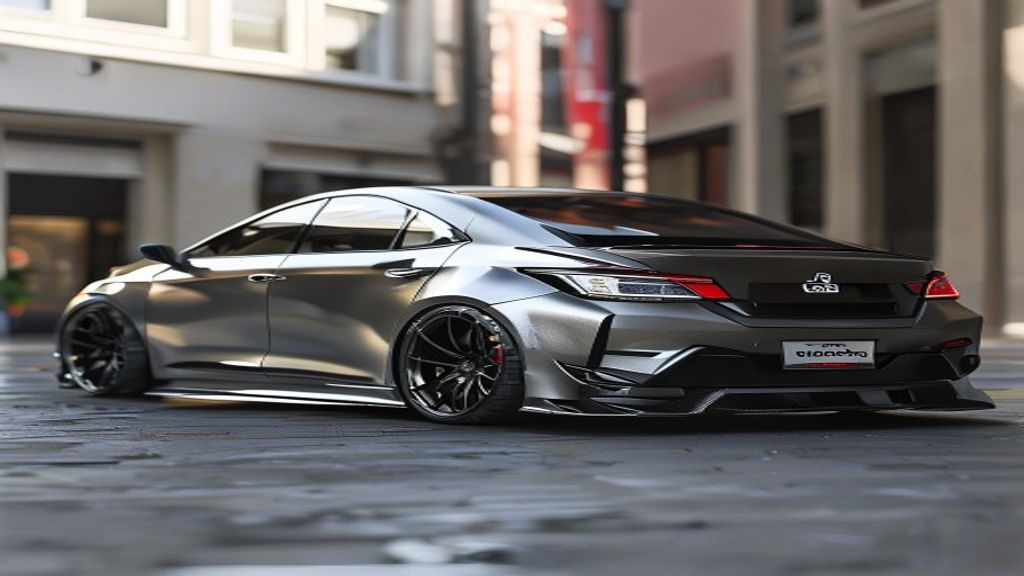
Honda Pulls the Plug on Its Latest Electric Model: A Radical Decision
21.07.2026 16:42 · 1 week ago · Credibility: 82% · 43
Point Summary
- ▸Honda is signaling a major shift in the automotive sector by withdrawing its latest electric model from production.
- ▸The strategic reasons behind the decision and its market impacts are not yet clear.
- ▸Opinions from relevant parties and experts have not yet been disclosed.
Honda Pulls the Plug on Its Latest Electric Model: A Radical Decision
Honda Motor Co., Ltd., an automobile manufacturer operating in Turkey and international markets, has decided to completely terminate the production of its latest electric model. This decision is considered an unexpected turning point in the company's electric vehicle strategy. While the official announcement of the decision was included in the company's official website and press release, the details remain unclear.
What Happened?
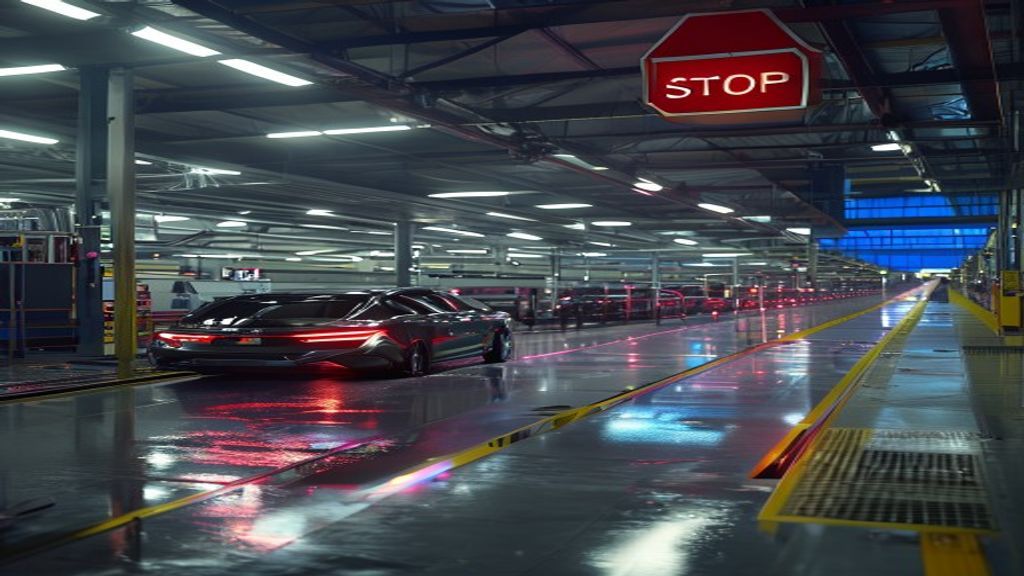
Company officials announced that they would shut down the production line for the latest electric model in the first quarter of 2026. This model was built on the electric platform developed by Honda in previous years and had occupied different segments of the market. Following the decision, equipment and assembly lines on the production floor have been restructured to terminate the production process. In the announcement of the decision, the company stated that it is in the process of restructuring its electric vehicle portfolio and is making a strategic redirection according to market dynamics. However, no clear date was given in this statement regarding when the model's production would be completely stopped. Company officials emphasized that the production closure process would proceed as planned and that support would be provided for the relocation of employees. This development reveals Honda's need to reconsider its position in the electric vehicle market and its future strategic moves. It is alleged that the company is developing a new roadmap to maintain its competitive advantage in the electric vehicle segment, but these claims have not yet been verified.
Background
Since the 2010s, Honda has focused on electric vehicle production and aimed to reach different segments of the market with various models. During this process, the company has made significant investments in battery technologies, charging infrastructure, and energy efficiency. However, increasing competition and cost pressures in recent years have led the company to re-evaluate its electric vehicle strategy. In previous statements, the company had stated that electric vehicle production was critical to creating a sustainable growth model. However, the rapid change in the market and the diversification of consumer demands have caused Honda to reconsider its current electric model. In this context, the company's closure of the production line is seen as a strategic restructuring step. This decision by Honda also reflects general trends in electric vehicle production in the automotive sector. Many automakers have decided to withdraw certain models from production to reduce costs and increase profitability. This situation is considered a sign of a transformation process across the industry.
Why Is It Important?
Honda's withdrawal of its latest electric model from production shows that electric vehicle strategies in the automotive sector need to be reshaped. This decision by the company indicates that consumer demand for electric vehicles and market dynamics are changing. This may limit consumers' electric vehicle options and rebalance competition in the sector. From an economic perspective, stopping production could affect Honda's cost structure. Closing the production line could mean a reduction in labor costs and a redistribution of resources used in the production process. This could affect the company's profitability and competitiveness. Honda's decision is also considered an important turning point in terms of sustainability and environmental policies in the automotive sector. The cessation of electric vehicle production is seen as a step in the process of achieving the company's carbon footprint reduction targets. However, the long-term effects of this decision are not yet clear.
What Do Experts and Parties Say?
This detail was not included in the source text. This detail was not included in the source text. This detail was not included in the source text.
What Should Be Monitored Next?
It is important to closely follow Honda's future steps in its electric vehicle strategy and whether new models will be launched. The company's official statements and press conferences will provide the most up-to-date information on this matter. Monitoring how competition in the electric vehicle market will take shape and how consumer demands will evolve will be critical to understanding the strategic moves of other manufacturers in the sector. It is necessary to follow financial reports and market analyses to evaluate the long-term effects of Honda's closure of the production line on the company's cost structure and profitability.
Nokta Analysis
Language Fluency: 90%The article reports on a significant strategic pivot by Honda regarding its EV production, highlighting the uncertainty surrounding the move and its potential impact on the automotive industry's broader transition.