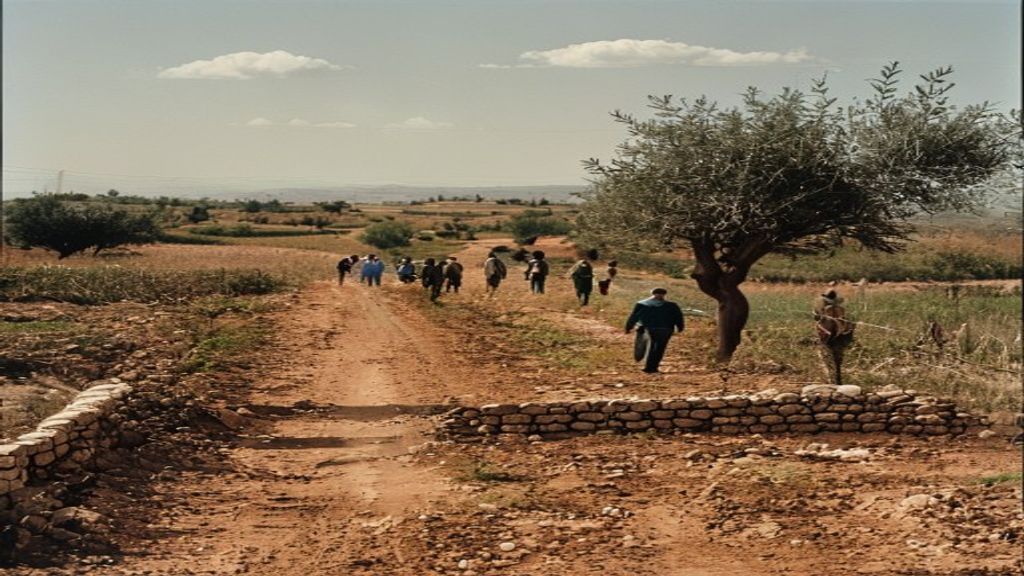
Lebanese Army Started Deploying in the South Within the Scope of 'Pilot Region' Plan
22.07.2026 20:10 · 6 day ago · Credibility: 83% · 47
Point Summary
- ▸The Israeli army (ÇAHAL) has started the withdrawal process from the pilot areas determined in the south of Lebanon.
- ▸The Lebanese army announced that it has deployed its military units to take control of these evacuated regions.
- ▸The process is carried out in accordance with the tripartite framework agreement signed in Washington at the end of June.
A new phase has been reached in the long-standing tense process in the south of Lebanon. The Israel Defense Forces (CAHAL) took the first steps of the 'pilot zones' strategy planned to be established in the region and decided to withdraw from certain points. Immediately after this development, the Lebanese army officially announced that it had dispatched its military units to the region in order to re-establish its sovereignty and ensure security in these evacuated areas.
What happened?
The Israeli army began to implement the previously agreed upon 'pilot zone' concept by rearranging its operational activities in the south of Lebanon. This strategy envisages the gradual reduction of the military presence in the region and its replacement by the Lebanese national army. Israeli sources stated that the withdrawal was based on a certain schedule and was proceeding in a coordinated manner to minimize security risks.
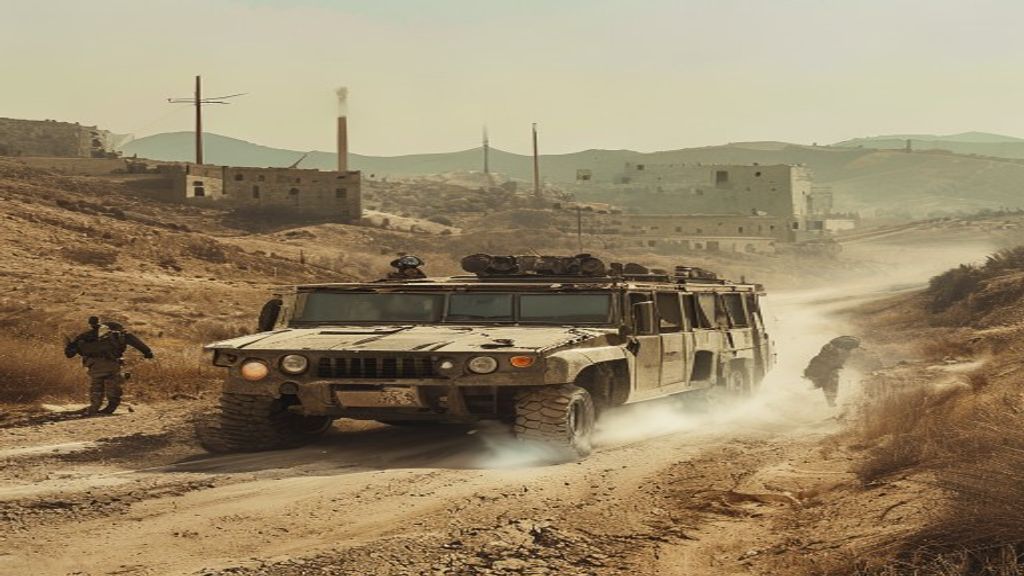
In response to this withdrawal move, the Lebanese army sent armored units and infantry elements to strategic points on the southern border. According to information from local sources, Lebanese soldiers settled in the evacuated positions and took over control of the region. However, the process does not go completely smoothly; Some reports indicate that activity in the region may occasionally lead to communication breakdowns or unwanted tensions between the parties.
Background
The military mobility in question emerged as a result of the tripartite framework agreement signed in Washington at the end of June. This agreement, shaped with the participation of Lebanon, Israel and international mediators, offered a road map for stopping the conflicts in southern Lebanon and turning the region into demilitarized or controlled 'pilot zones'. This agreement is considered one of the most concrete diplomatic steps taken to end instability in the region.
The region has been at the center of decades of conflict and border violations. The ongoing tension, especially since 2006, had seriously restricted civilian life and economic activities in the region. It is known that during the talks in Washington, the parties agreed to increase the powers of the Lebanese army in order to fill the security gap on the border.
Why is it important?
This development means a change in the status quo on one of the most sensitive border lines in the Middle East. The active presence of the Lebanese army in the south is of critical importance in limiting the influence of unofficial armed groups in the region and re-establishing state authority. If this 'pilot area' trial is successful, the model may be expanded to other border regions of Lebanon.
On the other hand, Israel's decision to withdraw also brings about debates within its own internal public. Those who stay away from withdrawal due to security concerns express their doubts about how effectively the Lebanese army can control the region. Therefore, each step on the ground is a test for the sustainability of regional peace.
What do experts and parties say?
The US State Department stated that it is following the process closely and considers the deployment of the Lebanese army to the region as a positive step to ensure stability in the region. The Israeli side emphasized that the withdrawal was 'conditional' and that they reserved the right to intervene in case security threats continued. The Lebanese side, on the other hand, argues that it is a national duty for the army to establish sovereignty in its own territory and that this process should be free from external interventions.
Some independent observers say the lack of coordination on the ground is risky. In particular, some allegations of small-scale conflicts during the withdrawal show that trust between the parties has not yet been fully established. Experts agree that it is vital for military units in the field to know each other and to keep communication channels open to prevent a possible accident.
What to watch next?
In the coming days, the most important monitoring points will be how permanent the Lebanese army will make its presence in the region and whether Israel will complete the withdrawal process as planned. In addition, how other armed elements in the region will react to this new situation will directly affect the success of the process.
Other issues that diplomatic circles focus on are whether international observers will enter the region and how the details of the 'pilot zone' agreement between the parties will be implemented in the field. In case of a possible violation or conflict, it will be inevitable to question the validity of the tripartite agreement in Washington.
Nokta Analysis
Language Fluency: 90%This news coincides with information contained in the BBC Russian service and other international news sources. Similar information is available on the subject in 3 independent sources (NEWSru.co.il, Oxu.Az and BBC). The news is based on the statements of the parties and current developments in the field; It is not a definitive 'confirmation' but a summary of the current news flow.
Transparent Sources
Related News

US-Iran tension paralyzed the lives of Iranian people: Unhappiness, fatigue and anxiety are widespread
Iran-Backed Houthis Bring Saudi Arabia to the Brink of a New War in Yemen

Iran: Will respond to Ukraine's ship attack in the Caspian Sea