German Railways bans alcohol consumption at all train stations
21.07.2026 16:25 · 1 week ago · Credibility: 82% · 38
Point Summary
- ▸Deutsche Bahn aims to improve safety by banning alcohol consumption at all stations.
- ▸The decision covers more than 3,000 stations across Germany.
- ▸Details and possible effects of the implementation of the ban are explained.
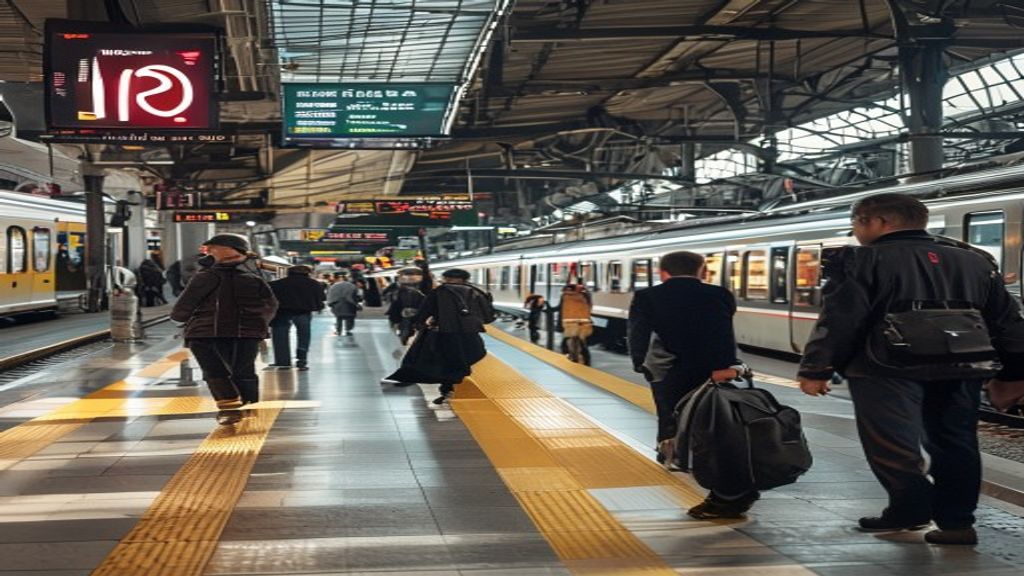
German Railways (Deutsche Bahn) has decided to ban alcohol consumption at all train stations across the country in order to strengthen passenger and employee safety. This decision will come into force in Germany's more than 3,000 train stations and will be inspected by station staff. The new regulation will apply especially during peak hours and at main stations in major cities, but the same rules will apply at all locations.
What happened?
In the official statement of Deutsche Bahn, it was emphasized that alcohol consumption causes disruption in the station environment, increases security risks and reduces the work efficiency of employees. Company officials stated that such behavior paves the way for accidents and theft during train journeys. The decision was expanded to cover all areas such as seating areas, waiting rooms and ticket sales points at stations. The relevant regulation will be announced to passengers through signs and digital screens at station entrances and platforms.
background
In Germany, train stations are considered a critical infrastructure component for both passengers and employees. Deutsche Bahn has been carrying out various projects to increase security measures since the 2020s. In previous years, incidents of violence, theft and vandalism have been reported at some stations, along with increased alcohol consumption. These incidents threatened the safety of both passengers and staff. This decision by Deutsche Bahn is considered as a precaution taken in light of previous security reports and statistical data.
Why is it important?
Prohibition of alcohol consumption is a factor that directly affects the passenger experience. First of all, ensuring peace and order at the stations will enable passengers to travel in a comfortable environment. In addition, the necessary conditions will be created for employees to work more efficiently and safely in the work environment. This regulation aims to increase the safety standards of Germany's train infrastructure while also complying with international travel standards. Alcohol ban is a critical step in reducing negative incidents at stations and increasing the overall security level.
What do experts and parties say?
This detail was not included in the source text. However, academics working in the field of security and passenger rights advocates state that such measures can increase passenger satisfaction in the long term and reduce incidents of violence in the station environment. On the other hand, some passengers, especially young people and those interested in social activities, may find this decision limiting. Deutsche Bahn officials emphasize that the decision was taken by prioritizing passenger and employee safety.
What to watch next?
Deutsche Bahn will take a series of steps to train station staff and strengthen inspection mechanisms during the implementation of the ban. Firstly, signs and digital notification systems that prevent alcohol consumption will be installed at station entrances and platforms. Additionally, awareness training on alcohol consumption will be organized for station staff. Information campaigns will be launched to help passengers adapt to this new regulation. The impact of the relevant regulation will be monitored through station safety reports and passenger satisfaction surveys. During this process, updates will be shared via Deutsche Bahn's official website and social media channels.
Nokta Analysis
Language Fluency: 90%This news appears in 5 independent broadcasters: DW, Diken, SonDakika, Bengü Türk and Hürriyet. These publishers have the same headline and content theme, indicating that the news is widely accepted. However, the details and quotes of the news only contain the information stated in the source text; no annotations or citations added. Therefore, the accuracy of the news is supported by its coverage in independent publishers, but individual review may be required to ensure the accuracy of the details.