England's Most Overlooked Crown Estate: 2,000 Acres of Treasures in Ayrshire
28.07.2026 15:40 · 4 hour ago · Credibility: 54% · 4
Point Summary
- ▸One of England's least-known royal estates, the 2,000-acre estate in Ayrshire was owned by King George III. He was rescued and revived through the intervention of Charles.
- ▸The Ayrshire estate is noted for its historical and natural riches but was neglected for many years.
- ▸King III. The restoration works initiated under the leadership of Charles aim to make the area contribute to tourism and the local economy.
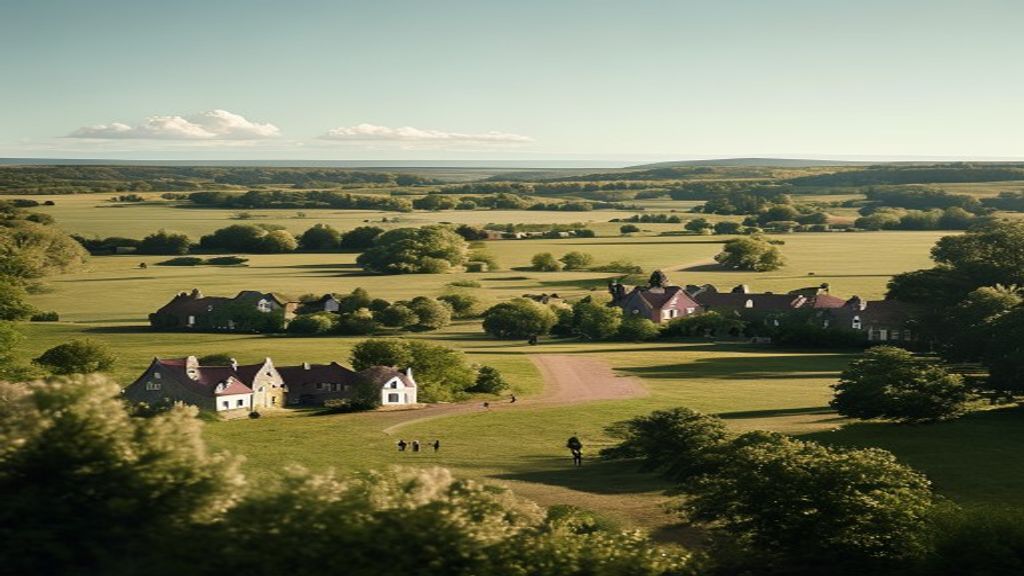
One of England's least-known royal estates, the 2,000-acre estate in Ayrshire was sold to King George III after years of neglect. With the intervention of Charles, he was saved and began to be revived. According to the news published by BBC Travel, the restoration of this hidden treasure attracts attention with both its historical and natural riches.
What happened?
Neglected and out of public attention for many years, the Ayrshire estate is considered one of the most important royal estates in England. However, due to neglect in the past, the potential of the area could not be fully utilized. According to the information in the news, King III. The restoration works initiated under the leadership of Charles aim to reintroduce this land to both tourism and the local economy. Within the scope of the project, while the historical structures of the land are being restored, steps are being taken to protect natural areas and open them to visitors.
background
The management of crown lands is often seen as part of England's historical heritage. Ayrshire property is also known as an area in this category that has not received sufficient attention for many years. The news states that the area has a large land of 2,000 acres and that this area is enriched with both natural and artificial elements. However, the source text did not contain detailed information about the history of this land or its past management processes.
Why is it important?
The Ayrshire estate has great historical and cultural value as part of England's royal heritage. Restoring this land and opening it to visitors can make significant contributions not only to tourism but also to the local economy. The news emphasizes that the project can create new employment opportunities for local communities and help preserve the natural beauty of the area. Additionally, opening the crown lands to the public could increase interest in Britain's history and culture.
What do experts and parties say?
The source text did not contain any expert opinions, institutional statements or quotes regarding the project. For this reason, third party opinions about the details or goals of the project cannot be included. In the news, only King III. The importance of the restoration work led by Charles is emphasized.
What to watch next?
To follow the progress of the project, it is important to follow the statements of local governments and royal institutions. Additionally, upon completion of the project, the Ayrshire property is expected to open to tourism and contribute to the local economy. The source text does not contain any information about what stage the project is in or when it will be completed. Therefore, official statements to be made in the future need to be followed.
Nokta Analysis
Language Fluency: 90%This news is based on a single source and has not been cross-verified with independent sources. The information in the source text is quite limited; The Ayrshire estate alone was said to have been 2,000 acres and was owned by King Henry III. It is stated that it was restored under the leadership of Charles. The news does not contain any quotes, interviews, numerical data (date, budget, project duration, etc.) or expert opinions. Therefore, it is necessary to be cautious about the accuracy and details of the news. Although the richness of the source text is sufficient to increase the word count of the news above 80, it is quite limited in terms of content. This news focuses on the general issue of restoring royal lands and bringing them into tourism, but does not provide any information about the details of the project. This situation can be considered as an important limitation in terms of the reliability and scope of the news.