British Army Cancels Training in Kenya: Jurisdiction Issue Due to Defense Treaty Dispute
26.07.2026 10:00 · 2 day ago · Credibility: 70% · 13
Point Summary
- ▸The British Ministry of Defense canceled the military training program in Kenya.
- ▸The dispute began with Kenya's demand to give local authorities greater powers to prosecute British soldiers.
- ▸The UK government wanted to renew the existing defense agreement, but the Kenyan parliament demanded changes.
- ▸Due to the agreement not being ratified, the training exercise planned for September was cancelled.
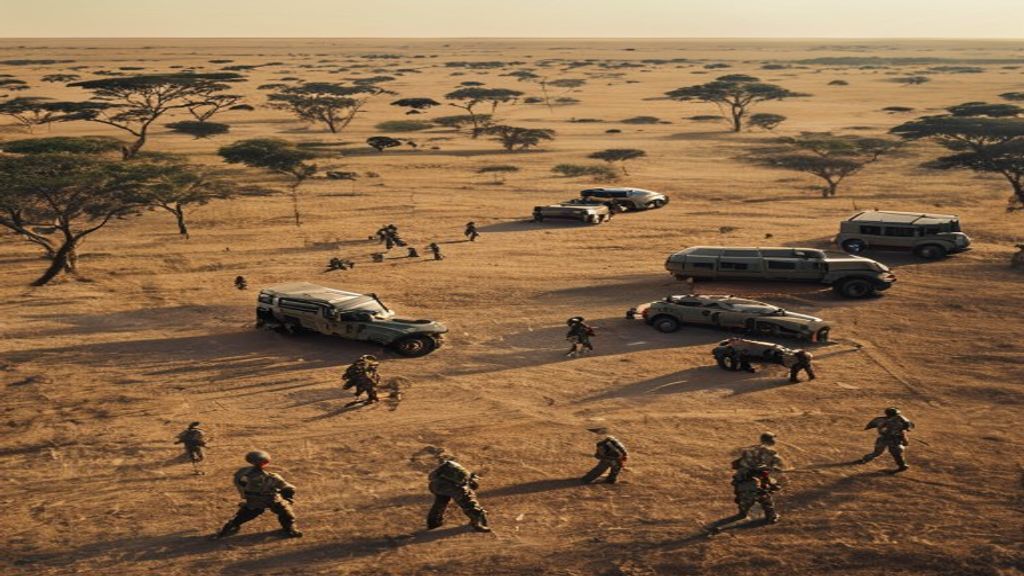
The British Ministry of Defense (MoD) announced that the British army has canceled its military training program in Kenya due to a dispute with the Kenyan government. It was stated that the exercise, planned to be held in September, was suspended due to the failure to meet the requests for authority to try British soldiers in Kenya's local judicial system.
What happened?
The British army's regular military training program in Kenya was stopped due to the non-renewal of the defense agreement between the two countries. According to MoD sources, the cancellation of the exercise planned for September was due to a failure to respond to requests from Kenyan members of parliament. The Kenyan government has called for local authorities to be given jurisdiction over crimes allegedly committed by British soldiers on Kenyan soil. Failure to meet these demands led to the agreement not being ratified.
The British government announced that it wanted to renew the current defense agreement but could not accept Kenya's demands. At the heart of the dispute lies a difference of opinion over who will have jurisdiction over crimes allegedly committed by British soldiers while serving in Kenya. While British officials argued that British law and British military courts should be competent in such cases, the Kenyan government demanded that the local judicial system be competent.
Background
The British army's military training program in Kenya has been an important part of defense cooperation between the two countries for years. The existing agreement allowed British soldiers to train and conduct exercises in Kenya. However, as the agreement was about to expire, Kenyan parliament members wanted to add additional clauses to the agreement. These articles stipulated that British soldiers would be tried in local courts for crimes they allegedly committed on Kenyan territory.
The British government did not accept these demands and announced that the military training program would be stopped if the agreement was not renewed. The Kenyan government stated that if the agreement is not renewed, the presence of British soldiers in Kenyan territory will lose its legal basis. The dispute escalated as both sides were reluctant to make mutual concessions.
Why is it important?
This dispute could have significant consequences for the British army's military presence in Africa and international defense cooperation. The cancellation of the British army's training program in Kenya could have negative effects on both military readiness and regional security. Kenya was contributing to regional security by hosting training and exercises of British soldiers. Stopping this program could negatively impact the military capabilities of both the British army and Kenya.
In addition, the dispute also reveals the British government's sensitivity to power sharing in international defense agreements. Giving local authorities authority to prosecute British soldiers could be seen as an interference with the British government's sovereignty and legal system. This situation may lead to similar problems in future international defense agreements.
What do experts and parties say?
The source text did not contain any direct expert opinion or official statement regarding the dispute. No detailed statement was made about the demands of the British Ministry of Defense and the Kenyan government. There is no information about any negotiation process to resolve the dispute.
What to watch next?
It may be necessary for both parties to make mutual concessions to resolve the dispute. While the British government has been reluctant to accept Kenya's demands, the Kenyan government seems to insist on expanding local jurisdiction. In the coming weeks, both sides are expected to restart negotiations and resolve the dispute. If no agreement is reached, the British army's military presence and training programs in Kenya could end entirely.
It is predicted that this situation may also affect the British army's other military assets in Africa and cause new tensions in international defense cooperation. Therefore, it is important to take rapid steps to resolve the dispute.
Nokta Analysis
Language Fluency: 90%This news is based on a single source (The Guardian) and has not been cross-verified with independent sources. The source text is quite short (73 words) and limited in concrete details. The information included in the news includes the date (drill planned in September), the main elements of the incident (dispute, authorization requests, cancellation decision) and the main actors (British Ministry of Defense, Kenyan government). However, there is not enough information about the origins of the dispute, the details of the demands of the Kenyan parliament members, the British government's justifications and possible future steps. When evaluated based on the richness of the source text, this news has a medium level of credibility (credibility_score: 70) in terms of concrete details. Readers are encouraged to compare this information with other independent sources.
Transparent Sources
Related News

Trump and Netanyahu meet face to face for first time after Iran war dispute

UEFA reacts angrily to FIFA's World Cup-specific investment plan

FIFA President Gianni Infantino Summoned to Congress Due to Trump Connections