The Final Word on the 20 Meter Giant Space Radar Project in Wales is on the Ministers' Table
23.07.2026 03:02 · 5 day ago · Credibility: 54% · 45
Point Summary
- ▸The UK Ministry of Defense aims to install 27 giant space radar dishes, 20 meters high, in the Pembrokeshire region.
- ▸Local activists and environmental groups oppose the project, citing the damage that the massive project will cause to natural life and the region.
- ▸The final decision on the future of the project is now up to the approval of government ministers.
The massive space radar project, planned to be implemented by the British Ministry of Defense (MoD) in the Pembrokeshire region of Wales, known for its natural beauties, is going through a critical turning point after great debates broke out in the local public. The fate of this comprehensive military investment, which includes the installation of 27 giant radar dishes with a total height of 20 meters, is completely locked in the decision of government ministers, under the shadow of the tension between the people of the region and the defense bureaucracy.
What happened?
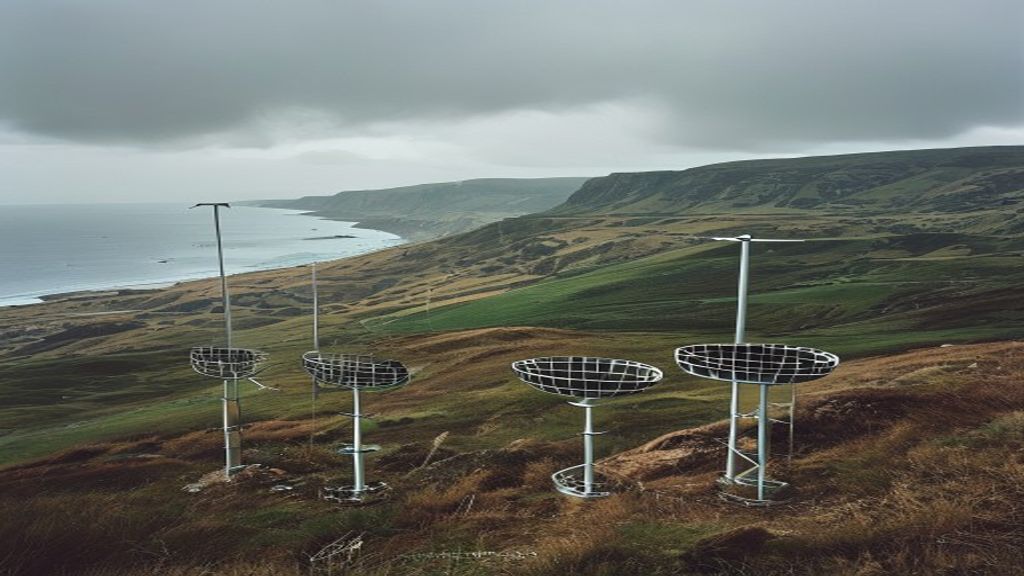
The UK Ministry of Defense has presented to the authorities its plan to establish a comprehensive space tracking and monitoring radar system in the Pembrokeshire region of Wales, known for its rural and coastal coastline. The project design envisages placing 27 huge radar dishes, each approximately 20 meters high, on the land at strategic points. Designed as a part of deep space tracking, satellite tracking and national security strategies, this installation stands out as one of the largest military infrastructure initiatives proposed in the region in recent years, in terms of its size and area it will cover.
However, as the plan became public, citizens living in Pembrokeshire, environmental organizations and local campaigners took action, launching a widespread wave of opposition against the project. Arguing that 27 giant bowls will permanently change the silhouette and ecosystem of the region, activists organized signature campaigns and protests to stop the project or move it to another point. At the final point, the planning and approval processes were transferred from the local level to the central government, and the final say on whether the giant facility would be established or not was transferred to the authority of the ministers.
Background
The main factors why the UK Ministry of Defense chose the Pembrokeshire region are its geographical location and the strategic advantages it offers for space observations. Increasing satellite traffic on a global scale, space debris and technological competition in the defense industry increases the need for advanced radar systems day by day. Defense officials consider the integration of such deep space radar facilities into the national security network a strategic necessity.
On the other hand, Pembrokeshire is considered one of the most sensitive ecological regions of the United Kingdom, with its protected national parks, rich wildlife and untouched natural structure. This untouched structure of the region has caused a social sensitivity towards industrialization or large infrastructure projects since the past. Although there is no additional information in the source text about the cost of the project or other details of its technical infrastructure, the issue of how to balance military needs and environmental protection has become one of the main items on the Welsh agenda.
Why is it important?
This decision is of great importance as it is not only a local zoning issue that concerns the geographical structure of the Pembrokeshire region, but also represents the delicate balance between national security policies and local environmental rights. While strengthening the technological infrastructure in the field of defense is a priority goal for the central government, the determination of local communities to protect their living spaces and natural heritage pits the central government and local people against each other.
In addition, the visual and environmental impact created by 27 giant radar dishes, 20 meters high, has potential repercussions on tourism, agriculture and natural life in the region. The precedent that will be created if the project is approved will also serve as a reference point for future military and strategic investments in similar protected areas. The fact that the decision was taken to the ministerial level clearly shows how high the political dimension and social sensitivity of the issue is.
What do experts and parties say?
There is a deep disagreement between the groups that are parties to the process. On the one hand, Ministry of Defense officials who want to implement the project emphasize that this facility is a critical need to increase the UK's space competencies and improve its early warning and tracking capacity against global threats. According to officials, the network, which will consist of 27 radar dishes, will play a key role in protecting national security interests in the space field.
On the other side, there are activists and environmental defenders organized in the region. Campaigners state that 27 such gigantic buildings will cause irreparable damage to Pembrokeshire's unique landscape, and that radiofrequency and construction processes will negatively affect the local ecosystem. Although the source text does not include verbal quotes from the parties or details of the independent technical report, the public reactions show that the opposition is quite determined and organized.
What to watch next?
In the coming period, all eyes are on the decision of the relevant ministers. It is eagerly awaited to see how the government will strike a balance between the security reasons of the defense bureaucracy and the strong objections of local people and environmentalists. The approval or rejection decision from the Ministry will directly determine the fate of the project.
If the ministers approve the project, it seems very likely that activists and environmental organizations will take the issue to court and initiate a legal process following the decision. On the contrary, if a decision is made to reject or revise the project, whether the Ministry of Defense will seek alternative sites will be among the main topics to be followed.
Nokta Analysis
Language Fluency: 90%This news is based on a single source and limited news text from the international broadcaster BBC. In the search results, it was seen that the news was not widely covered by other independent publishers. The accuracy score does not mean that the exact accuracy or falsehood of the news is confirmed one by one; It is merely an indicator of prevalence that shows how many different independent news outlets the information is circulating simultaneously. Since the number of sources is singular, a cautious evaluation was made.