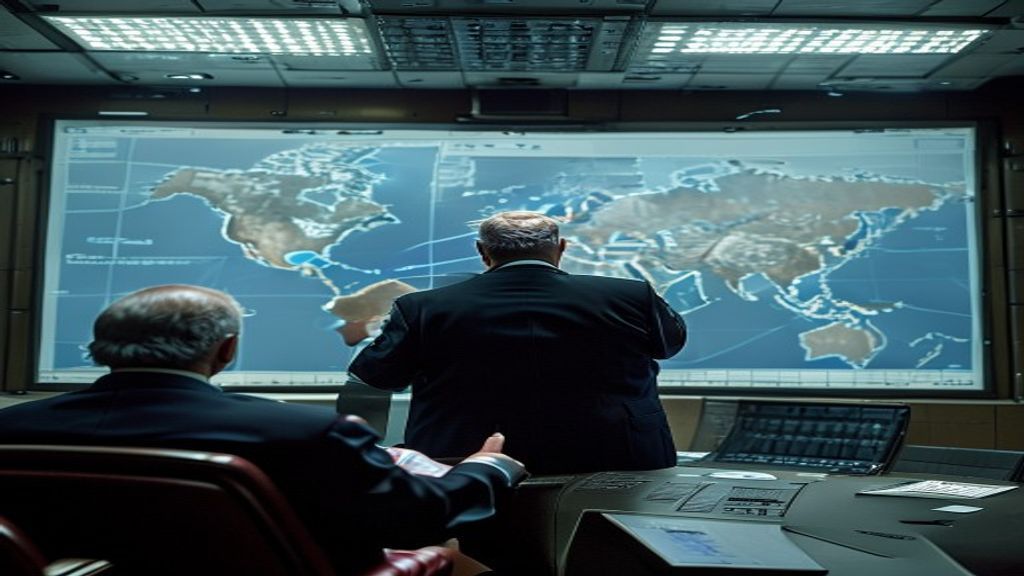
Tension is at its peak in the Middle East: USA Continues Air Operations Against Iran on its Eleventh Night
22.07.2026 07:00 · 6 day ago · Credibility: 87% · 46
Point Summary
- ▸The United States military carried out air operations over Iranian territory for the eleventh night in a row.
- ▸The US Department of Defense predicts that the cost of the military intervention in Iran will reach 37.5 billion dollars by the end of September.
- ▸The increase in the cost of war represents a 30% increase from the previous estimated level of $29 billion.
- ▸As conflicts in the region deepen, the financial burden and strategic consequences of operations are at the center of global security discussions.
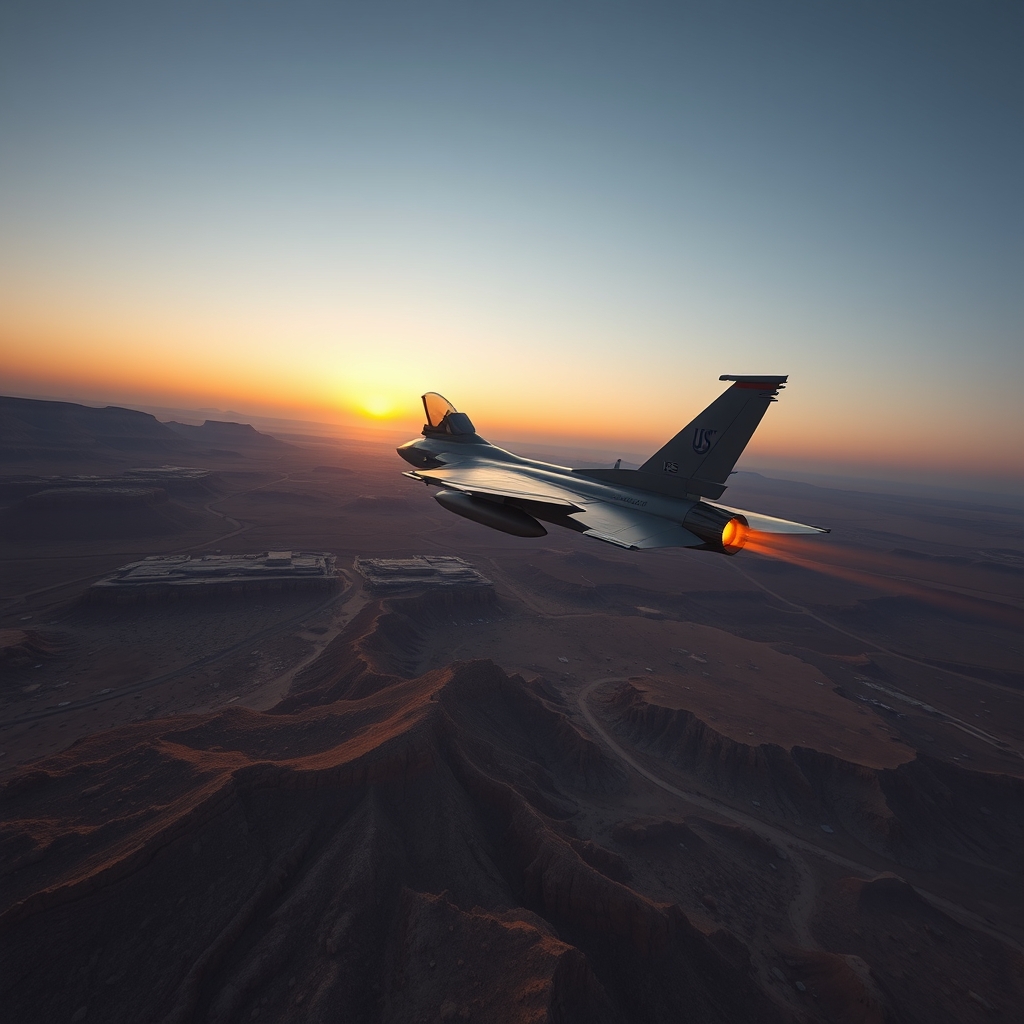
There is no calm in the Middle East. The United States army announced that it has entered a new phase in its air operations against Iran. According to official statements made on Tuesday evening, US military forces launched a new wave of attacks against targets on Iranian territory. This operation is of critical importance as it is the eleventh consecutive night of US aerial bombardments against Iran.
What happened?
Recent statements made by the US military show that military mobility has become a systematic operation process, not just a momentary reaction. These air strikes, which have been continuing uninterrupted for eleven nights, seriously strain the military balances and diplomatic channels in the region. Although a detailed field report regarding the scope of the operations and the specific military targets they are aimed at has not yet been fully shared with the public, it is reported that the attacks continued throughout the night.
The intensification of attacks proves that the tension in the region is not limited to the border line, but that a military pressure strategy is being implemented directly towards the inner regions of Iran. This situation causes the international community to follow the mobility in the region at the highest level. The continuity of operations indicates that the military strategy has evolved into a long-term war of attrition.
Background
The origins of current conflicts are directly linked to the balance of power in the Middle East and the strategic interests of regional actors. Although the main motivations for the US to launch these operations are the claim to maintain stability in the region and restrictive measures against Iran's military capacity, the situation on the ground paints a much more complex picture. Especially recently, the potential for other actors in the region to become involved in the conflict carries the tension to a global dimension.
According to the data stated in the source texts, the economic dimension of the military intervention also provides critical data in understanding the magnitude of the operations. The latest data from the US Department of Defense shows that the cost of the war has risen far beyond estimates. In the period until the end of September, the total cost of operations is expected to be 37.5 billion dollars. This figure represents an increase of approximately 30% compared to previous estimates of $29 billion. This financial increase shows that military operations put serious pressure on the US budget, not only as a physical but also an economic burden.
Why is it important?
This development is not only a conflict between two countries, but also a direct threat to global energy markets and international trade routes. In particular, Huthuti attacks and potential mobility at critical crossing points such as the Strait of Hormuz have the potential to create direct volatility on oil and natural gas prices. These intensified US air operations against Iran bring with it the risk of expanding the scope of the conflict in the region.
Additionally, a 30% increase in war costs may lead to questioning of military expenditures and foreign policy strategies in US domestic politics. The increase in economic burden may trigger political debates about the sustainability of military operations. The risk of a regional conflict turning into a global economic crisis stands out as the biggest concern of international diplomatic circles.
What do experts and parties say?
Although it is stated in the source texts that the US Department of Defense shared data on the increase in costs, a more specific expert opinion on the military objectives of the operations is not included. However, the increase in cost to 30% can be considered an indirect indicator that the scope and intensity of operations have increased.
The reaction of other actors in the region and international organizations to this situation will be the main factor that will determine the extent of the tension. In the light of available data, how long the parties can allocate their military capacities and economic resources to this process is among the main factors that determine the course of the conflict.
What to watch next?
The most critical point to be monitored in the coming period will be the frequency and target breadth of US air operations. Whether the operations will go beyond the eleventh night or remain focused on a specific target will determine the fate of the conflict. Moreover, the nature of Iran's military response to these attacks will give the clearest signal about whether the conflict will turn into a regional war.
From an economic perspective, whether the US Department of Defense's $37.5 billion cost estimate for the end of September will come true and the repercussions of this cost increase on US domestic politics should be closely monitored. Price movements in energy markets and maritime security at strategic points such as the Strait of Hormuz will continue to be the most important indicators for maintaining global stability.
Nokta Analysis
Language Fluency: 90%This news covers a development that states that US operations against Iran are continuing and costs are increasing. The news is supported by information from independent sources that similar operations are continuing.
Transparent Sources
Related News

BREAKING: A 7.1 magnitude earthquake occurred in southern Japan — tsunami warning issued
Ukraine's Attacks in Crimea Left Local People Without Electricity and Water
2 people died in an attack by the Israeli army targeting a vehicle in Gaza