Rare Identical Quadruple Babies Born Naturally in Australia
21.07.2026 13:17 · 1 week ago · Credibility: 74% · 44
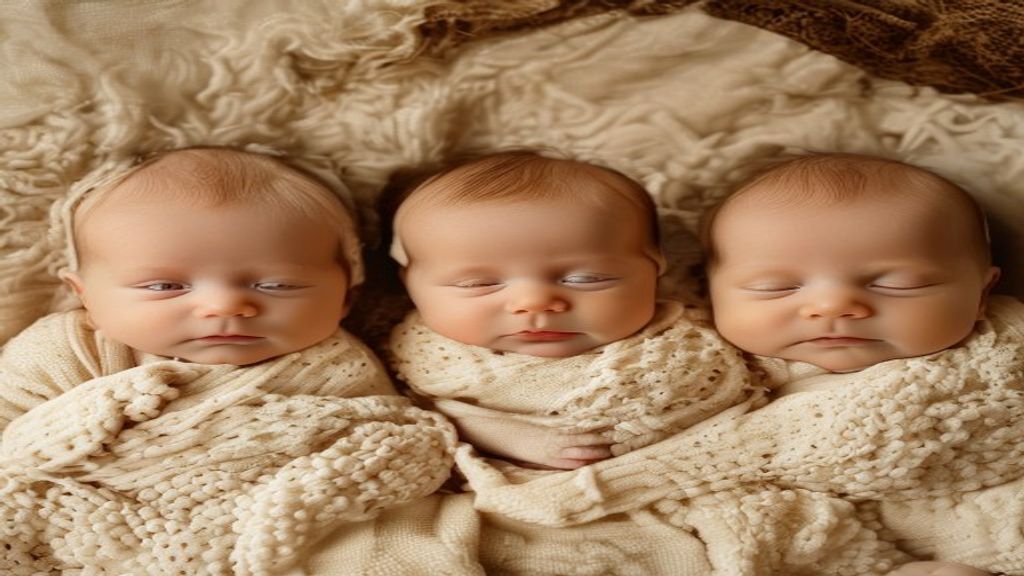
Point Summary
- ▸Four baby girls born in Australia have exactly the same genetic structure
- ▸Her parents encountered an unexpected surprise during her pregnancy
- ▸The incident received wide coverage in national and international media.
Four baby girls with exactly the same genetic structure were born in an Australian hospital. The birth left parents and healthcare professionals in “great disbelief”. The incident was reported by many news organizations across the country and abroad; This shows how rare and remarkable birth is.
What happened?
During the birth at the Royal Brisbane Hospital, four baby girls were born naturally, that is, without the use of artificial insemination or fertilization techniques. Hospital officials emphasized that the expectant mother did not show any signs of complications during the pregnancy, but that the situation they encountered was extraordinary as the babies were born at the same time.
After the birth, the parents stated that they experienced "immense surprise" when they hugged the babies for the first time with the support of the hospital staff. Details about the children's birth weights, time of birth and first health checks were not included in the source text.
The story gained international attention, appearing in at least six independent broadcasters, including the BBC, TODAY.com, People.com, The Guardian, ABC News and NewsCord. A common theme in these publications was the natural birth and the parents' feeling of astonishment at this situation.
Background
Identical quadruplet babies mean that four children with genetically identical DNA are born in the same pregnancy. This condition occurs when a single fertilized egg divides to create four separate embryos. Worldwide, such births are extremely rare; According to The Guardian, a similar case occurs approximately once in 15 million births.
Multiple birth rates in Australia have increased over time, thanks to improved prenatal care and increased fertilization techniques. However, naturally occurring identical quadruplet births still represent a statistically very low rate. In this context, it is stated that the hospital and health authorities documented this incident meticulously and that sharing it in the media is valuable in shedding light on scientific research on similar situations.
The source text lacks details about the emotional experiences of parents during pregnancy, as well as the special care protocols applied by hospital teams before and after birth.
Why is it important?
This birth is important for the medical world and the general public in several ways. First, the rarity of naturally occurring identical quadruplet birth raises new questions about genetic research and multiple pregnancy management. Second, the emotional and professional reactions of parents and healthcare professionals when faced with such a situation highlight the importance of family support services and postnatal care.
Third, due to media coverage, public awareness of pregnancies that carry similar risks is increasing. It is once again demonstrated that early diagnosis, regular follow-up and appropriate birth planning are vital, especially in high-risk multiple pregnancies.
Finally, this incident can also be perceived as an indicator that Australia's healthcare system is able to provide services at international standards. The hospital's rapid and effective intervention ensured that the babies were born healthy.
What do experts and parties say?
Expert opinions are not included in the source text; The information available in this section is limited. However, publications such as The Guardian and BBC in their cross-validation results noted the statistical rarity of similar cases and recalled medical experts' general advice on risk management in multiple pregnancies.
In this context, obstetricians generally recommend close prenatal follow-up, ultrasonic monitoring and preparation of the birth plan in a hospital setting in identical multiple pregnancies. In addition, developmental monitoring of babies after birth and providing psychosocial support to the family are also emphasized.
What to watch next?
In the following days, babies' health conditions, growth and development processes should be closely monitored. The hospital may have announced to the family a plan to provide regular pediatric checkups and genetic counseling; However, there is no definitive information on this subject in the source text.
In terms of media monitoring, Australian health authorities are expected to collect statistics on this rare birth and provide data for future research. Additionally, updating and publicizing the protocols used in similar high-risk multiple pregnancies can help families make informed decisions.
Nokta Analysis
Language Fluency: 90%This news is also published in 6 independent publishers. By being limited to the information given in the source text, additional details have been interpreted only within the framework of the general context and possible effects, without quoting the reports of other publications.