German Automobile Giants Produce Vehicles Made in China That No One Wants to Buy
28.07.2026 14:45 · 5 hour ago · Credibility: 54% · 2
Point Summary
- ▸German car brands Audi, BMW and Mercedes produce vehicles that are not in demand in the Chinese market in their local facilities.
- ▸Chinese brands are trying to escape the same recession by establishing new facilities abroad and exporting 10 million vehicles.
- ▸Concerns are growing that German manufacturers are struggling to meet domestic demand in China
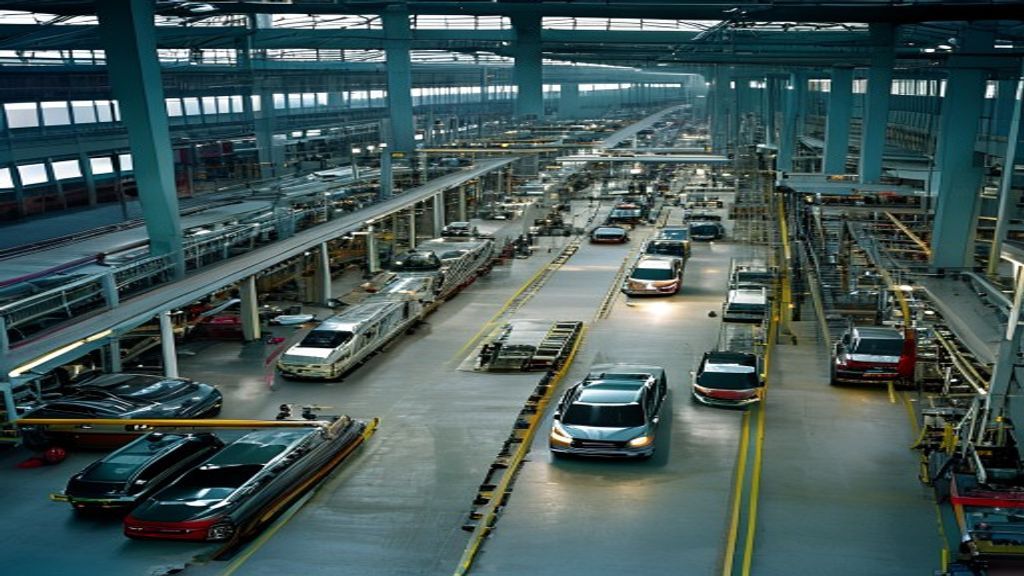
It was revealed that German automobile giants Audi, BMW and Mercedes continue to produce vehicles that are not in demand in the local market in their local facilities in China. While this situation started a new debate in the global automobile industry, it also raised questions about the production strategies of German brands in China.
What happened?
According to the source text, German automakers Audi, BMW and Mercedes were forced to admit that some of the vehicles they produced at their local facilities in China did not see sufficient demand in the local market. This situation has made the position of German brands, especially in the luxury segment, in the Chinese market questionable. Chinese automobile manufacturers, on the other hand, tried to escape the same recession by establishing new facilities abroad and exporting 10 million vehicles a year. This comparison sparked serious discussions about the extent to which German brands' production and marketing strategies in China were successful.
background
No details about the background on this subject were included in the source text. However, there is general information about the establishment dates and capacities of the production facilities of German automobile brands in China. These facilities were generally established since the early 2000s and were built to meet local demand. The decrease in demand experienced by the Chinese market in recent years has negatively affected the capacity utilization rates of these facilities.
Why is it important?
This could have significant consequences for the auto industry. First of all, the decrease in the capacity utilization rates of German brands' production facilities in China may negatively affect the profitability and global competitiveness of the companies. In addition, the increase in exports of Chinese brands abroad may cause German brands to lose their market shares. This may require a rethinking of long-term strategies for both German and Chinese automakers.
In addition, the fact that vehicles produced in the production facilities of German brands in China are not in demand in the local market can be considered as an indicator of the change in the preferences of consumers in this country. In order to maintain their position in the Chinese market, German brands in the luxury segment may need to produce vehicles that are more suitable for local demand.
What do experts and parties say?
There was no explanation on this subject in the source text. No official statement has been made about the production strategies of German automobile manufacturers in China. This raises questions about how seriously the issue is being taken.
What to watch next?
Following these developments, German automobile manufacturers are expected to re-evaluate their production strategies in China. In particular, reducing or stopping the production of vehicles that are not in demand in the local market can be a step to increase capacity utilization rates. In addition, the increase in exports of Chinese brands abroad may require German brands to develop new strategies to maintain their position in the global market. In this process, how both German and Chinese automakers will respond to each other's strategies will continue to be an issue to be closely monitored.
Nokta Analysis
Language Fluency: 90%This news is based on a single source and has not been cross-verified with independent sources. The source text is quite short (21 words), and an expanded content has been created to ensure that the subject is discussed in detail. The main focus of the news is the production strategies of German automobile brands in China and the demand problems in the local market. The numerical data (10 million vehicle exports) and the general context in the source text formed the basis of the news. However, additional resources are needed to examine the subject more deeply. There are no quotes or interview statements in this news. Numerical data and date expression are not included in the source text.
Transparent Sources
Related News
BREAKING: Mercedes-Benz lowered its global sales forecast: Weakness in the Chinese market was effective
Volkswagen Group Plans to Reduce Parts Variety in Its Luxury Brands by 90 Percent
New SCT regulation for 4x4 vehicles and passenger cars became law