Former missile engineer: He developed a device that 'hunts' mosquitoes
22.07.2026 04:25 · 6 day ago · Credibility: 37% · 53
Point Summary
- ▸A former missile engineer channeled his engineering experience into mosquito control
- ▸The developed device targets mosquito infestation, one of the biggest problems of the summer months.
- ▸Single-source news carries limited credibility due to lack of independent verification
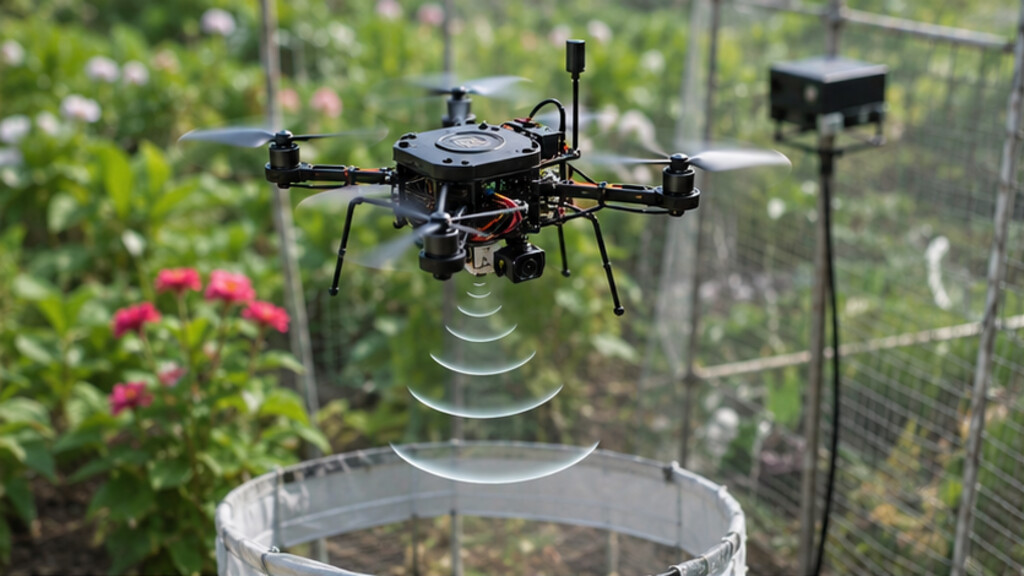
A former missile engineer, he directed his project development skills, which he acquired over the years in the space and defense industry, to the fight against mosquitoes, the biggest nightmare of the summer months. The prototype he developed was introduced as a device that aimed to destroy mosquitoes by 'hunting' them. This initiative provides an interesting example of how engineering skills can be applied to health and environmental problems from a different perspective.
What happened?
The source text states that the man with an engineering background developed a device that targets mosquitoes. It is stated that the working principle of the device is to attract and neutralize mosquitoes. However, information about the technical details of the device, its usage areas, test results and production stages is not included in the source.
It is stated that the developed system aims to control the mosquito population, especially in hot climates and areas with dense water bodies. It is emphasized that the device has the potential to provide an alternative to traditional chemical drugs. In this context, it is not included in the source that the project is still in the prototype stage and large-scale field tests are planned.
background
Mosquitoes are known worldwide as carriers of serious diseases such as dengue, Zika, yellow fever and malaria. Control of mosquito populations is of critical importance for public health, especially in tropical and subtropical regions. Traditional control methods include insecticide sprays, larvicides, and environmental cleanup; However, these methods often face problems with resistance development, environmental impacts and cost.
In this context, engineering-driven innovative solutions may offer an alternative path to mosquito control. Sensor technologies, targeting systems and energy-efficient designs used in missile engineering can be a source of inspiration for the development of devices aimed at biological targets. Although the source text states that the engineer performed such technology transfer, details about what specific sensors or algorithms were used are missing.
Why is it important?
The economic and social costs of mosquito-borne diseases pose a huge burden, especially in low- and middle-income countries. A new control method could address the shortcomings of current strategies and increase the effectiveness of public health interventions. It can also minimize environmental impacts by reducing dependence on chemical insecticides.
If the developed device is successful, it may be possible to adapt similar engineering-based projects to different vector control (for example, pest species other than mosquitoes). This could create a new branch of collaboration between biotechnology and engineering in the healthcare sector. However, without independent scientific evaluations of the device's effectiveness, safety and cost-effectiveness, this potential remains only at the level of speculation.
What do experts and parties say?
In the source text, there is no expert opinion or official institution statement on the subject. For this reason, comments from expert entomologists, public health officials or engineering academics are not included in this news.
This detail was not included in the source text.
What to watch next?
It is necessary to follow the announcements and possible field trials to be made in the coming weeks to learn more about the technical features, test results and commercialization process of the developed device. Additionally, evaluations of this technology by independent research institutions and universities may provide a clearer picture of the scientific validity and feasibility of the device.
This detail was not included in the source text.
Nokta Analysis
Language Fluency: 90%This news is based solely on a single source on Sözcü website; cross-verification data shows that the story was not available from another independent publisher. Therefore, the level of verification is considered low because the news is reported through a single source.