Donald Trump Says Lebanon Was "Very Badly Treated" During His White House Visit
22.07.2026 14:34 · 6 day ago · Credibility: 75% · 39
Point Summary
- ▸Trump met with Lebanese President Joseph Aoun at the White House
- ▸He claimed Lebanon had been “very badly treated” for a long time
- ▸US intention to provide more aid to Lebanon emphasized
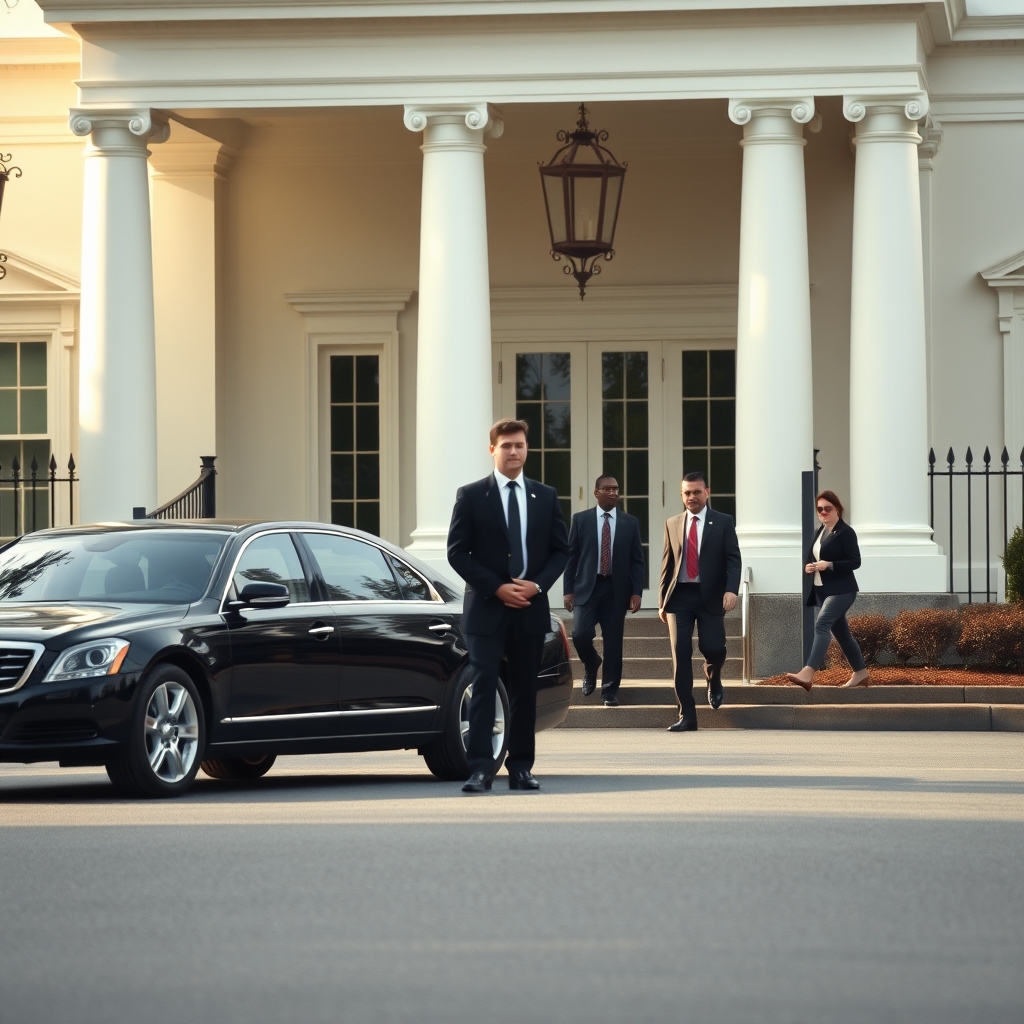
When United States President Donald Trump met with Lebanese President Joseph Aoun at the White House on July 21, 2026, he stated that Lebanon had been "very badly treated" for many years and promised more comprehensive aid to the country. This statement brought about speculation that diplomatic contacts between the two countries may enter a new era.
What happened?
During Lebanese President Joseph Aoun's visit to the White House, Trump stated that his country was "treated very badly" and that the United States wanted to provide "a lot of help" to fix this situation. The President summarized his words as follows: "Lebanon has been treated very badly for a long time, we want to help it." This statement was considered an extension of the theme of "Making America great again", which Trump frequently emphasizes in his foreign policy discourses.
Background
Lebanon has been struggling with economic collapse, political instability and infrastructure crises in recent years. The explosions in the Beirut port that exploded in 2020 further deepened the country's already fragile economy. Loans from the international monetary funds (IMF) came with reform conditions and led to major conflicts in domestic politics over the implementation of these conditions. This detail was not included in the source text, but this context is important in understanding the possible reasons behind Trump's "very bad treatment" statement.
US–Lebanon relations have historically been shaped by military and economic assistance. In the early 1990s, the United States provided significant financial support to Lebanon's post-civil war reconstruction. However, in the last decade, US strategic priorities in the region have changed and direct financial assistance to Lebanon has decreased. The statement made by Trump during this visit can be perceived as a response to this decrease.
Why is it important?
This statement by Trump is of critical importance in two respects. First, it may signal a new direction in US Middle East policy; The promise of direct intervention and aid, especially in an unstable country like Lebanon, could affect the balance of power in the region. Second, it could lead investors inside and outside Lebanon to re-evaluate the international community's attitude towards the country. If the United States offers a concrete economic package with the promise of "lots of aid," it could ease Lebanon's debt crisis and pave the way for the restart of infrastructure projects.
On the other hand, this rhetoric of Trump may also have an echo in US domestic politics. Within the framework of the President's "Make America great again" campaign, presenting foreign aid as a tool that "protects our own interests" can also be interpreted as a strategy to garner support during the election period. In this context, the statement has the potential to create a multi-layered impact in both foreign and domestic politics.
What do experts and parties say?
Since expert opinions are not included in the source text, there are no direct quotes in this section. However, regional experts generally emphasize that US-Lebanon relations are shaped through "short-term policies" and that long-term economic assistance is critical for sustainable development. In this context, Trump's promise of "too much aid" may remain mere rhetoric without a concrete plan and timeline.
The Lebanese government, on the other hand, may have considered Trump's statement as an "acceptable start"; However, it should be noted that an official response is not included in the source text. It is known that the budget approval processes of the US Congress regarding foreign aid are complex and the President's unilateral declarations may not directly translate into fund allocations.
What to watch next?
In the coming days, whether the USA will offer a concrete aid package to Lebanon, the content of this package and its implementation process should be closely monitored. In particular, how the coordination between the US Treasury Department and the International Monetary Fund (IMF) will be shaped will be critical in terms of its direct impact on Lebanon's economic reform program.
Additionally, how political actors within Lebanon will react to this US statement is another factor that must be monitored in terms of maintaining internal stability. If the Lebanese government accelerates reforms based on the US promise of "lots of aid", it could set an example for other countries in the region and international investors.
Finally, it should not be forgotten that this development, which can be considered as the beginning of a new era in US-Lebanon relations, will also bring about comparative analyzes with other crisis regions in the Middle East. In this context, how the US's stance will evolve on issues such as regional security, energy policies and refugee flows should be closely monitored.
Nokta Analysis
Language Fluency: 90%This news also appears in two independent publishers, Le Monde.fr and Boursorama. Therefore, it can be said that the news was confirmed by at least two different sources; However, no definitive judgment can be made as to whether the contents are exactly the same, the accuracy of the claims, or whether the details have been independently verified.
Transparent Sources
Related News
UEFA reacts angrily to FIFA's World Cup-specific investment plan
FIFA President Gianni Infantino Summoned to Congress Due to Trump Connections

BREAKING: Ukraine's attack on Iran in the Caspian Sea: Reasons and international reactions