Daniel Ortega Cancels 2027 Elections in Nicaragua; Washington Officials Condemn Official Conflict
22.07.2026 14:42 · 6 day ago · Credibility: 37% · 42
Point Summary
- ▸Nicaraguan President Daniel Ortega canceled general elections planned for 2027
- ▸US Secretary of State Antony Blinken called this decision an authoritarian aberration
- ▸Election annulment raises international concerns for regional stability and democratic norms
Nicaraguan President Daniel Ortega announced that he has officially canceled the general elections planned to be held in 2027; This decision was recorded in Washington as a development that Secretary of State Antony Blinken described as an authoritarian deviation. This sudden move by Ortega took the country's long-standing political tensions to a new dimension and attracted the attention of regional and global actors.
What happened?
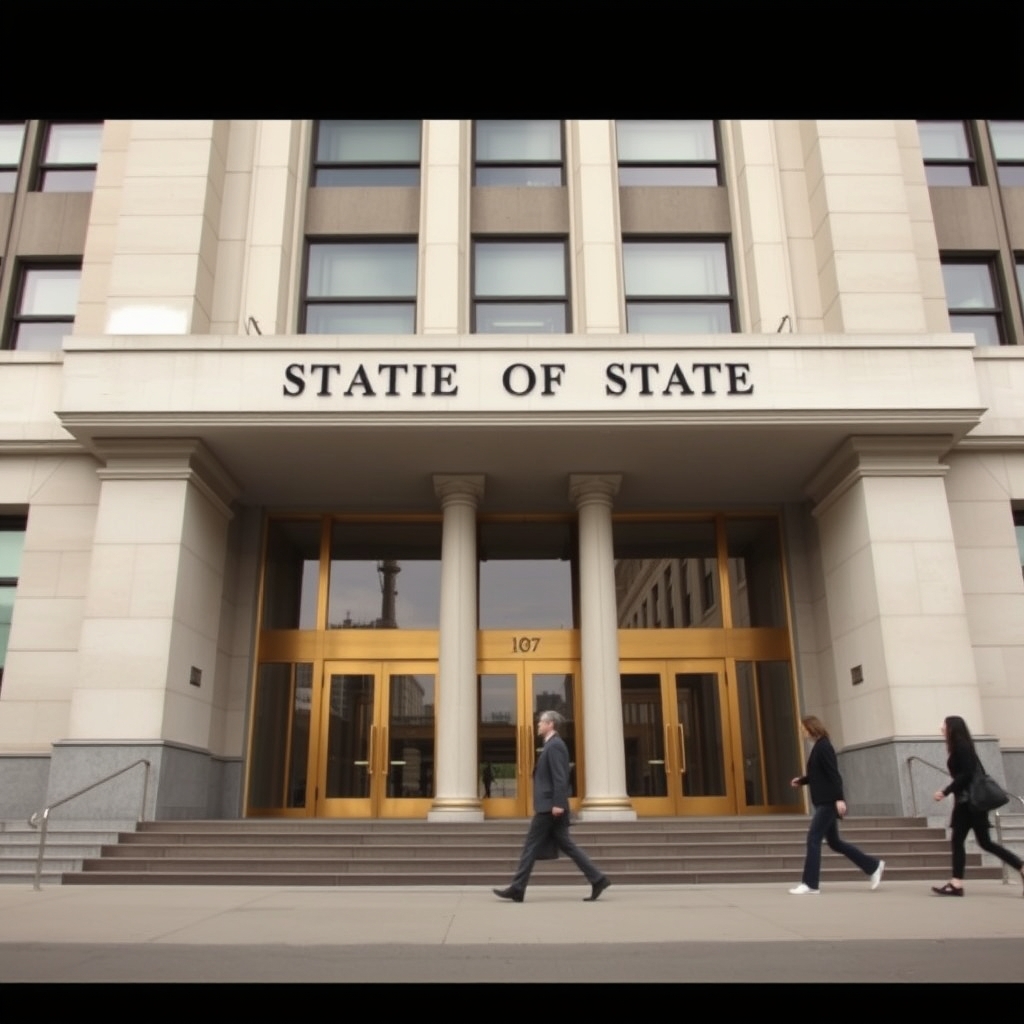
Following a series of official statements within the country, Ortega stated that the elections planned to be held in 2027 could not be held due to "the current conditions of the country and the security of the people". While this statement received wide coverage in the national media, the Washington State Department also defined the issue as "the decline of the democratic process" and warned the international community.
US Secretary of State Antony Blinken called Ortega's decision a "serious setback to Nicaragua's democratic institutions" and emphasized the need for Washington to reconsider its policies in the region. The Ministry stated that this development poses risks in terms of human rights and the rule of law.
Background
Ortega has been in power since 2007 and was re-elected in the 2011, 2016, 2021 elections. However, the election processes were frequently criticized by international observers and human rights organizations for reasons such as unfair practices, pressure on the opposition and restrictions on media freedom. These criticisms strengthened the perception that Ortega's administration was reinforcing its authoritarian tendencies.
In the past, opposition leader Cristóbal Chamorro and other opposition figures were arrested following the 2021 elections; The election results sparked widespread protests and international condemnation. In this context, the cancellation of the 2027 elections can be considered a development consistent with the lack of transparency and marginalization of the opposition in the previous elections.
Nicaragua's economic situation has also become part of the political tensions. US economic sanctions have made the country's foreign trade and investment environment difficult; This affected the people's living standards and had the potential to shake the government's popularity.
Why is it important?
The election annulment is a critical turning point for the preservation of democratic norms not only in Nicaragua but also in Central America. As other countries in the region struggle with similar authoritarian tendencies, Nicaragua's decline could threaten regional stability.
The US's reaction to this development reveals the need to reshape Washington's policies in the region. Economic sanctions, diplomatic pressure and criticism in international forums could force the Ortega administration to reverse its decision.
The annulment decision may also have consequences in terms of international law. Organizations such as the United Nations and the OAS (Organization of American States) have the right to put in place intervention mechanisms in case of violations of democratic processes; This could trigger a multilateral diplomatic crisis in the future.
What do experts and parties say?
Direct expert opinions are not included in the source text; However, regional experts interpret Ortega's election cancellation as "a strategy for power consolidation and complete elimination of the opposition."
Human rights organizations describe this decision as "one of the most obvious indicators of democratic regression in Nicaragua" and emphasize that the international community should give a stronger response.
Representatives of the US State Department stated that Ortega's attitude "poses a risk for regional security and human rights" and that "stricter diplomatic and economic measures" will be taken in future steps.
What to watch next?
In the following weeks, official statements from the Nicaraguan government and possible new regulations should be closely followed; In particular, the reactions of non-governmental organizations and opposition leaders can shed light on how internal dynamics are shaped.
The effects of economic sanctions, diplomatic pressure and statements made by the United States and other Western countries in international forums should be monitored; These steps have the potential to change the Ortega administration's policies.
The road maps suggested by international observers and regional organizations for the revitalization of the human rights situation and democratic processes in Nicaragua will form the basis of long-term solution searches.
Nokta Analysis
Language Fluency: 90%This news was compiled from only one source (Le Monde); Cross-verification data shows that the news was not published by any other independent publisher. Therefore, the level of verification of the news is limited and it needs to be supported by additional sources.