Constitutional Change in Kazakhstan: Resetting Tokayev's Term of Office and New Political Structure Discussions
22.07.2026 20:00 · 6 day ago · Credibility: 90% · 46
Point Summary
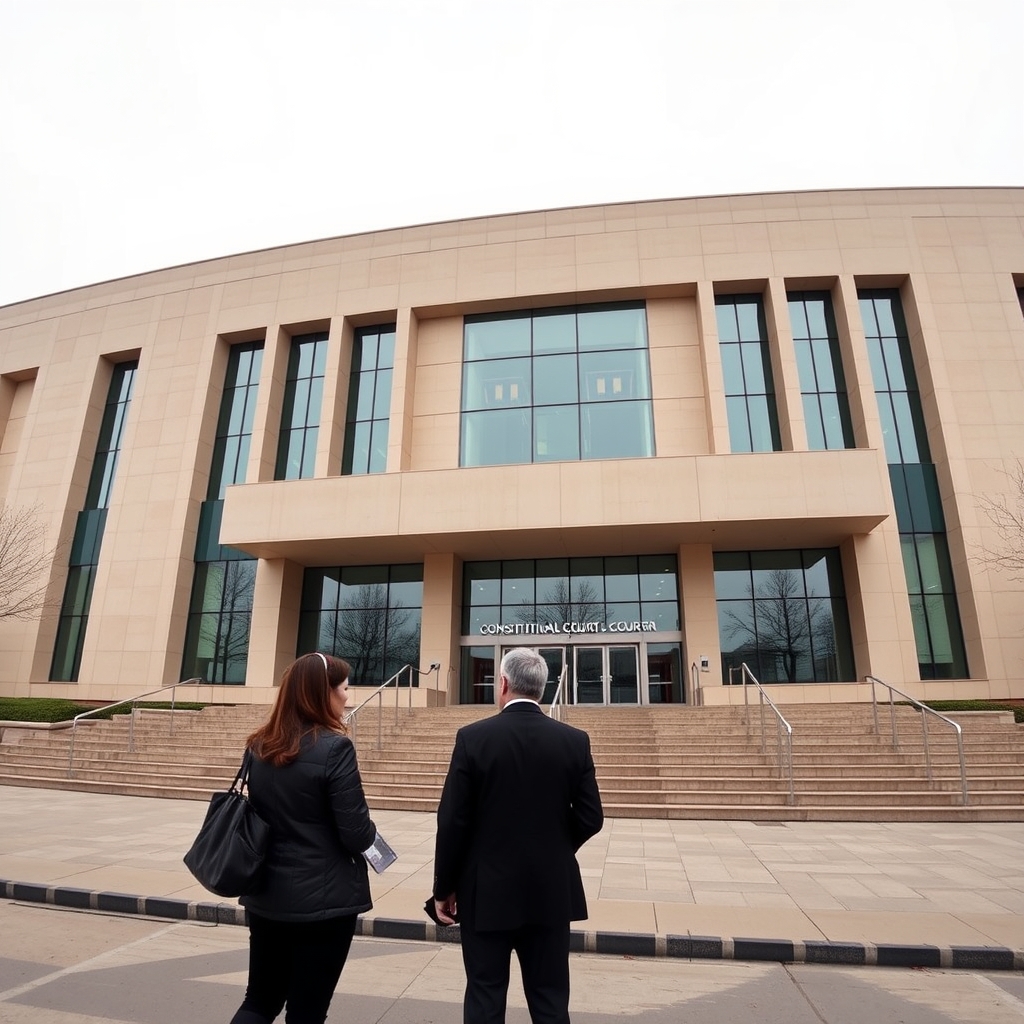
- ▸The Constitutional Court of Kazakhstan has confirmed that the term of office of President Kassym Jomert Tokayev has been constitutionally 'reset'.
- ▸Constitutional changes and the creation of a new vice president position remain on the agenda in the country.
- ▸Experts discuss the impact of these steps on the political stability of Kazakhstan and the future of its power structure.
Recent developments in Kazakhstan politics signal a radical transformation in the constitutional structure of the country. The decision to constitutionally "reset" the term of office of President Kasım Jomert Tokayev had a wide repercussion both within the country and in the international public opinion. This step brought about various speculations and analyzes about the political future of Kazakhstan.
This decision taken by the Constitutional Court means that Tokayev's current term is subject to a constitutional 'reset' process. While this situation reignites the debates about the duration and powers of the presidential office, it strengthens the comments that a new era has begun in the country's governance.
What happened?
The decision of the Constitutional Court of Kazakhstan enabled the legal resumption of President Tokayev's term of office. This process is considered as part of the constitutional regulations in the country. Following the decision, significant changes are planned to be made in Kazakhstan's governance mechanisms. In particular, the creation of the vice president position stands out as a critical step in restructuring the power structure.
These changes bring not only a term extension, but also a change of hierarchy in the administrative structure of the state. The issue of how the office of the vice president will share or balance the powers of the president continues to be a subject of intense debate among lawyers and political scientists. The source text did not include a detailed legal framework regarding the authority limits of this new authority.
Background
Kazakhstan has been going through a very active process in terms of political reforms and constitutional changes in recent years. The Tokayev administration implemented a series of administrative and legal regulations within the framework of the country's 'New Kazakhstan' vision. The basis of these reforms lies in the goal of more effective functioning of state institutions and preserving political stability.
Past constitutional regulations imposed certain restrictions on presidential term and powers. However, in the current conjuncture, relaxing or redefining these restrictions is seen as part of the strategy to ensure the continuity of power. While the country's administration argues that these steps are compatible with social expectations, opposition groups and some independent observers express concerns about the effects of this situation on democratic processes.
Why is it important?
These constitutional changes are of great importance for Kazakhstan's geopolitical position in Central Asia and its internal political balances. The resetting of Tokayev's term of office gives an important clue about how the power transition processes in the country will be managed. Additionally, the creation of the office of vice president could play a key role in a possible future succession scenario.
Maintaining economic stability and maintaining the confidence of foreign investments seems to depend on the success of these political moves. Investors closely monitor the predictability of the political environment in Kazakhstan. Therefore, transparent implementation of constitutional amendments is of critical importance for the country's international image.
What do experts and parties say?
Political analysts describe these steps as 'consolidation of power'. While some experts argue that the office of vice president will ease the burden on the president and provide a more efficient administration, others warn that this situation may lead to confusion of authority.
The government side, on the other hand, emphasizes that these changes are necessary for the state to have a more modern and flexible structure. The source text did not contain detailed information about the official views of opposition representatives on this issue or a wide-ranging public reaction. However, the general trend is that such radical changes create different expectations in different segments of society.
What to watch next?
In the coming period, it should be closely monitored how the implementing regulations of the constitutional amendments will be shaped. In particular, the appointment process of the vice president and the scope of powers given to this office will determine the new course of Kazakhstan politics.
In addition, the response of these changes to the public and possible social reactions may affect the next steps the administration will take. The reactions of international observers and regional actors to this constitutional transformation in Kazakhstan will also be decisive in terms of the country's foreign policy balances.
Nokta Analysis
Language Fluency: 90%This news covers the constitutional changes in Kazakhstan and the resetting of Tokayev's term. The subject is also covered in DW, RTVI and other independent news sources. The fact that this news appeared in 4 independent sources is a strong signal that the incident occurred; However, the absolute accuracy of each detail or legal interpretation in the news depends on the independent publishers' own editorial processes.
Transparent Sources
Related News

CHP's absolute nullity case at the Supreme Court has moved to the 'preliminary examination' stage

CBRT left the policy rate constant at 50 percent

CBRT July 2026 Interest Rate Decision Announced: Policy Rate Increased to 50 Percent, Exceeded Market Expectations