Colombian Farmers' Predicament: Why Is It Impossible to Give Up Coca Production?
22.07.2026 01:53 · 6 day ago · Credibility: 54% · 48
Point Summary
- ▸Coca producers in Colombia complain that they cannot find enough government support to switch to legal crops.
- ▸Economic necessity and lack of infrastructure condemn farmers to coca cultivation.
- ▸Projects to switch to alternative products fail due to logistics and market access problems.
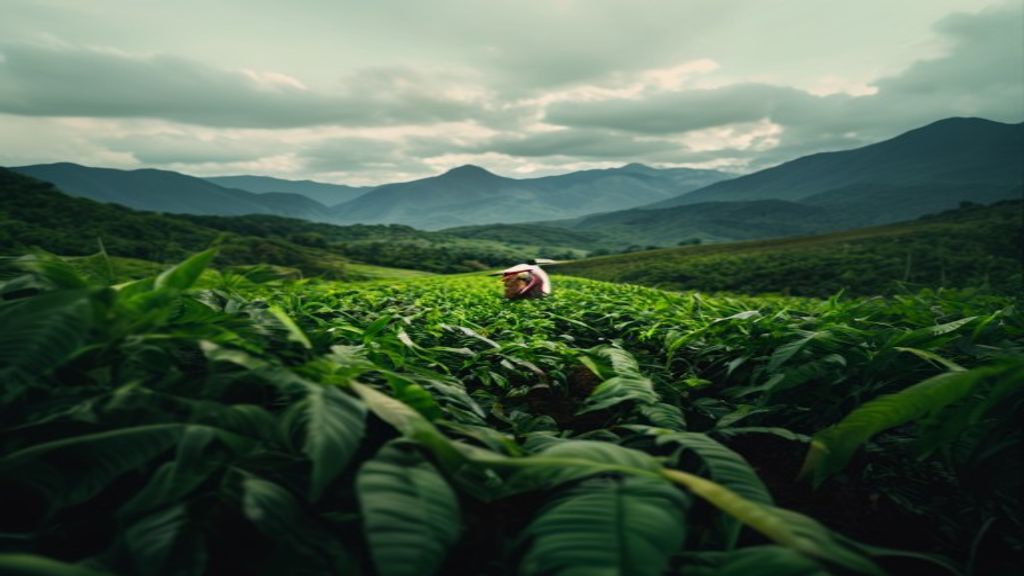
Thousands of farmers in Colombia's rural regions, who make a living by growing coca plants, want to escape from this cycle that is at the center of the illegal drug trade, but they face structural obstacles. Many producers state that they want to abandon the regular income provided by the coca leaf and turn to legal products such as corn, coffee or cocoa. However, the economic uncertainties encountered in this transition period and the inadequacy of state support force farmers to return to coca fields.
What happened?
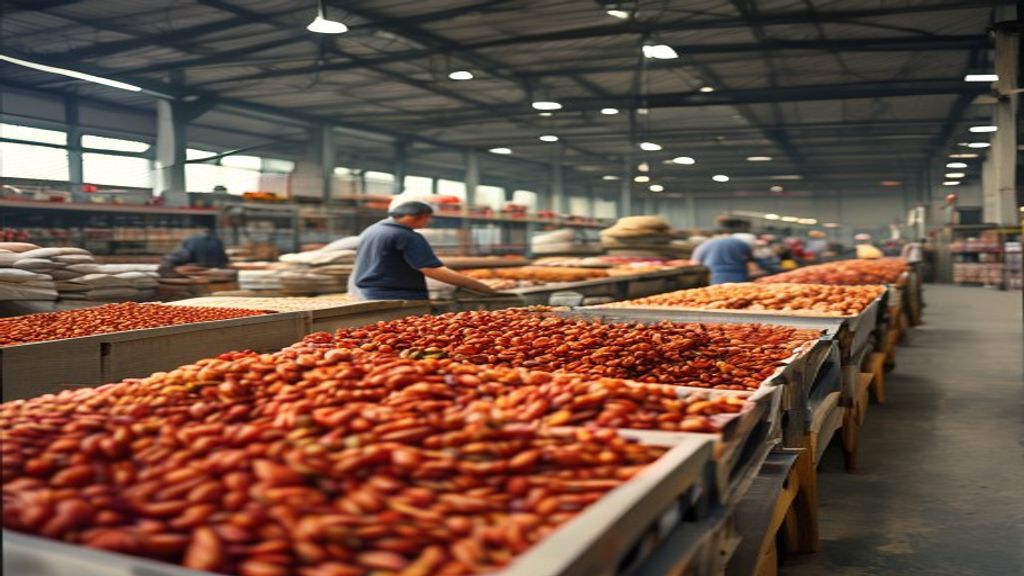
Coca producers state that the current programs offered for the transition to legal agriculture are far from practical. The main problem of farmers is that there are no roads to transport the legal crops they produce to the cities, or the market value of these products is not as stable as coca. While coca leaf is a product that can find buyers directly after harvest and is relatively easy to transport, the same logistics networks do not exist for other agricultural products. In addition to these details, the source text emphasizes that farmers are disappointed due to the inadequacy of incentives offered by the state and bureaucratic obstacles.
background
Colombia remains one of the world's leading countries in coca production, despite decades of civil conflict and the influence of drug cartels. Although governments have launched various so-called 'coca substitution' programs in the past, most of these projects have failed to deliver a sustainable economic model. Farmers are forced to return to coca production, which they see as the only safe harbor to make a living, because subsidies promised to stop coca cultivation are not paid on time or technical support is lacking.
Why is it important?
This situation is not only an agricultural policy issue, but also a key indicator explaining why regional security and anti-drug trafficking strategies fail. Farmers say they do not want to be part of an illegal economy but cannot survive without an alternative source of income. This situation reveals how poverty in rural areas is exploited by drug cartels and why the authority of the state in these regions remains weak.
What do experts and parties say?
According to the information in the source text, farmers demand a direct support mechanism. Experts argue that simply eradicating coca fields does not solve the problem, but instead pushes farmers deeper into poverty. In the source text, farmers' efforts to make their voices heard and the desperation they experience are highlighted; However, an updated response or solution proposal from the government was not included in the text.
What to watch next?
In the coming period, it should be closely monitored whether the Colombian government will make any changes in rural development projects. Whether concrete steps will be taken, especially increasing investments in logistics infrastructure and guaranteed purchase prices for legal crops, will determine whether these farmers can break away from the coca industry. In addition, the effectiveness of the financial support that the international community will provide to this transition process will be a critical monitoring point.
Nokta Analysis
Language Fluency: 90%This news is based on content published by the BBC. Cross-validation data shows that the issue was covered by only one independent publisher. This means that the news needs to be fed from more independent sources to confirm its accuracy. The information provided is based on farmer statements in the source text and does not contain any fabricated data.