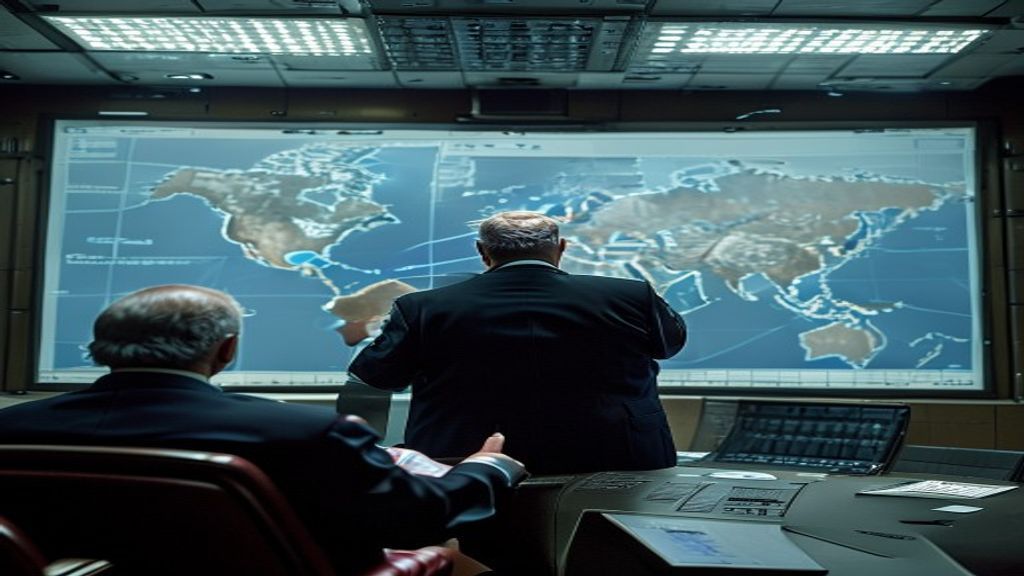
11th Night Attack from the USA on Iran: Nuclear Facility Threat from Trump
22.07.2026 19:00 · 6 day ago · Credibility: 90% · 44
Point Summary
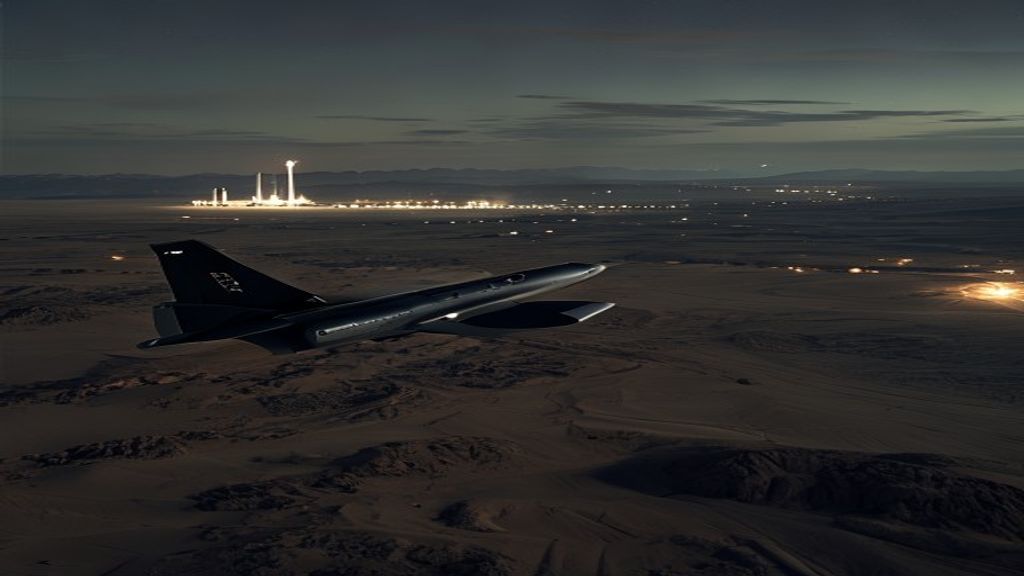
- ▸US forces have been continuing their air strikes against targets on Iranian territory for 11 days.
- ▸Donald Trump has warned that he may target Iran's nuclear infrastructure, including the nuclear center near Natanz.
- ▸The Iranian administration has warned Washington harshly that any attack on its nuclear facilities will have serious consequences.
Tension in the Middle East is witnessing a dangerous escalation as the US military operations against Iranian territory enter the eleventh day. Military mobility in the region has become a direct threat not only to conventional targets but also to nuclear facilities, which are one of the most sensitive points of the global security architecture. While Washington's strategic moves radically shake the balance of power in the region, the international community is turning its attention to new statements from the parties.
What happened?
Air forces affiliated with the US army continue their operations targeting various military and strategic points within Iran without interruption. This wave of attacks, which continued for eleven nights, included logistics centers and command levels as well as military assets in the region. The intensity of the operations shows that the conflict is not limited to the border regions but extends deep into Iran.
The most striking development in this process occurred with the statements of former US President Donald Trump. In his statements, Trump presented a direct threat to Iran's nuclear program. Especially the hint that the center, located near the city of Natanz and considered the heart of Iran's nuclear activities, could be on the list of a possible attack, took the scale of the crisis to a whole new level. This statement by Trump is interpreted not only as a change in military strategy, but also as a harbinger of a period in which diplomatic channels may be completely blocked.
Background
According to the information contained in the source text, the current tension arose as a result of long-term diplomatic and military friction between the two countries. Iran stated that it will not remain silent against these attacks by the USA and emphasized that any attack on its nuclear facilities is a red line. The Tehran administration warned that targeting its nuclear infrastructure would trigger a cycle of retaliation that would upset all balances in the region.
Military activity in the region has turned from being just a bilateral conflict between the USA and Iran into a large-scale security crisis that also affects other actors in the Persian Gulf. Although it is stated in the source text that the attacks have continued uninterruptedly for eleven days, there is no further technical information about which military units specifically coordinated these attacks or their operational details.
Why is it important?
This conflict comes at a critical juncture for nuclear nonproliferation efforts. Targeting facilities like Natanz directly threatens not only Iran's nuclear capabilities, but also the nuclear status quo in the Middle East. There is concern that a possible attack could ignite a nuclear race in the region and render international nuclear control mechanisms dysfunctional.
From an economic perspective, this instability in the region also puts direct pressure on global energy markets. The security of oil supplies and the security of maritime trade routes face serious risks with the escalation of the conflict. Investors and global markets are closely watching whether the conflict will evolve into a regional war.
What do experts and parties say?
Iranian officials describe the US threat to target nuclear facilities as a 'declaration of war'. While Tehran continues to maintain that its nuclear program is completely peaceful, it states that such attacks are a violation of its sovereign rights and that it will use its rights of self-defense. On the US side, it is emphasized that the attacks are aimed at 'deterrence' and to restrict Iran's activities in the region.
What to watch next?
In the coming days, the most important question mark will remain whether the scope of the attacks will expand and whether nuclear facilities will actually be targeted. The reactions of organizations such as the International Atomic Energy Agency (IAEA) to developments in the region and a possible emergency meeting of the United Nations Security Council will determine whether the crisis can be resolved through diplomatic means.
In addition, Iran's asymmetric responses to these attacks or counter-moves it may take through its allies in the region may change the course of the conflict. Military experts are carefully watching how far the parties will go on the 'escalation ladder' and whether there will be a ceasefire or a return to the negotiation table at some point.
Nokta Analysis
Language Fluency: 90%This news has been confirmed by 6 different independent news sources, and it has been confirmed that US military operations against Iran continue and Trump's statements targeting nuclear facilities are on the agenda. The content of the news is compatible with common information in the specified sources.
Transparent Sources
Related News

BREAKING: A 7.1 magnitude earthquake occurred in southern Japan — tsunami warning issued
Ukraine's Attacks in Crimea Left Local People Without Electricity and Water
2 people died in an attack by the Israeli army targeting a vehicle in Gaza